AFTER SEVERAL TRIPS in a new RV, the things you’d like to improve become increasingly apparent. Suddenly, that “adequate” mattress, that squeaky screen door, or that cramped dinette becomes impossible to ignore.
If you’re like most new owners, the first season is a bit of a trial by fire. By the time cold weather hits or you tuck your RV into storage, you already have a mental list of what needs tweaking. The offseason is the perfect time to tackle small upgrades that make a big difference—whether you’re a DIY enthusiast or prefer to let a professional handle it.
Over the years, I’ve learned that thoughtful, targeted upgrades not only improve comfort and convenience but also give you a sense of ownership and pride in your RV. So, here are some tips on what to upgrade in your RV this offseason. These small changes can have a huge impact on the following season.
Key Takeaways
- Use the offseason to address discomforts noticed during early trips—improving mattresses, seating, doors, storage, kitchen workflow, and bathroom functionality for better everyday comfort and convenience.
- Prioritize upgrades by value: comfort first, followed by convenience and organization, then safety and performance improvements like tires, batteries, TPMS, and entry step stability.
- DIY simple upgrades, but leave electrical, propane, and major structural work to professionals—small changes now can dramatically improve confidence and enjoyment next season.
How Were Your First Few Trips?

Before buying tools or making plans, reflect on your trips. What frustrated you the most? Waking up stiff because the mattress was too firm? Was the entry door hard to maneuver? Did your window treatments let in too much light when you wanted to sleep in?
Those small irritations often point to your first worthwhile upgrades. Think of them as clues. By identifying these pain points, you can make informed changes over the winter, so when spring arrives, your camper is upgraded to match your travel style.
If you’re looking for ideas, here are some pain points I’ve experienced with new RVs:
- My back is sore every morning, even with a mattress topper
- I can’t seem to operate the screen door latch with consistent ease
- There’s not a great way to keep eating utensils (knives, forks, etc.) separate from cooking utensils (spatulas, tongs, etc.)
- The entry steps feel a bit slippery, especially on rainy days
- I consistently struggle to align my RV in a campsite where I want it…the first time
These are just a few examples, but you’re probably already guessing at the upgrades they might suggest. However, before we dive down that rabbit hole, let’s talk budgeting for offseason RV improvements.
Budgeting for First-Year Upgrades
By all means, create a system that works for you, but here’s how I typically prioritize first-year upgrades:
- Everyday Comforts – mattresses, seating, door latches
- Stress-Relieving Conveniences – storage, kitchen organization, bathroom touches
- Peace-of-Mind Performance Upgrades – tire pressure monitoring, batteries, entry step stability
How much you spend depends on how many pain points you want to address. Luckily, you’ll find that an upgrade budget of less than $500 can still dramatically improve your RV life.
Comfort Enhancements You Feel Every Trip

Let’s begin with easy upgrades that enhance your living space, bedroom, and entryway.
Mattresses & Bedding
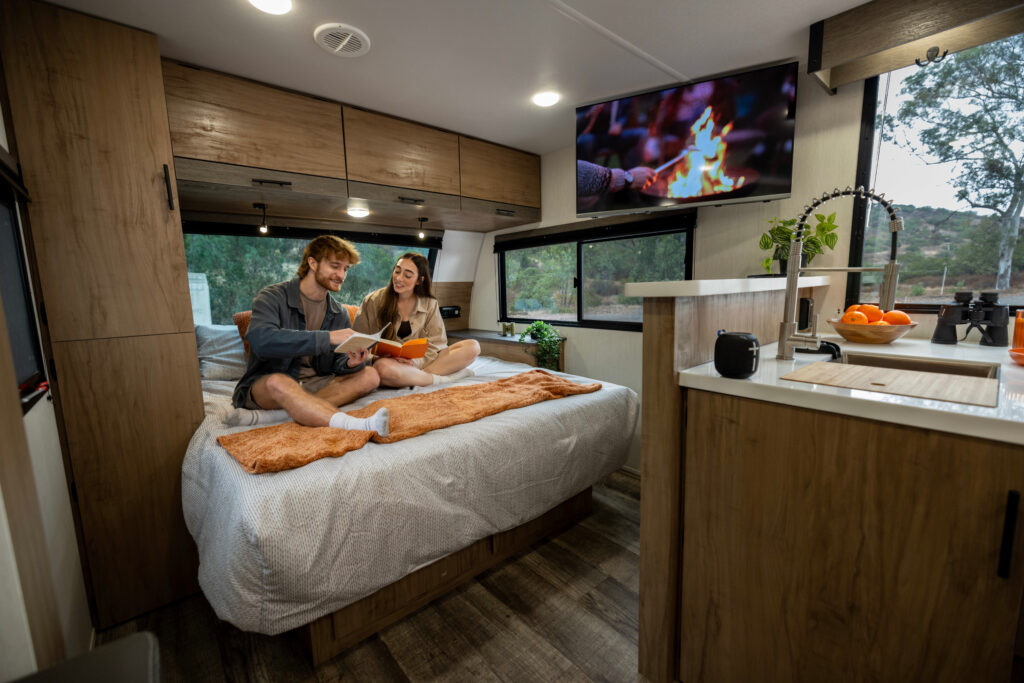
Stock RV mattresses are rarely great. It doesn’t take many owners long to realize that their first significant upgrade is a new RV mattress. For some, a memory foam topper is enough to improve their nightly sleep, but a full replacement RV mattress can completely transform the camping experience.
Once you understand the differences between RV mattress sizes, this upgrade is a straightforward DIY project. Depending on your choice, a replacement mattress can range from $200 to $800.
You probably don’t need me to tell you this, but I will anyway: A good night’s sleep makes everything else on the road better.
Seating & Living Space Adjustments
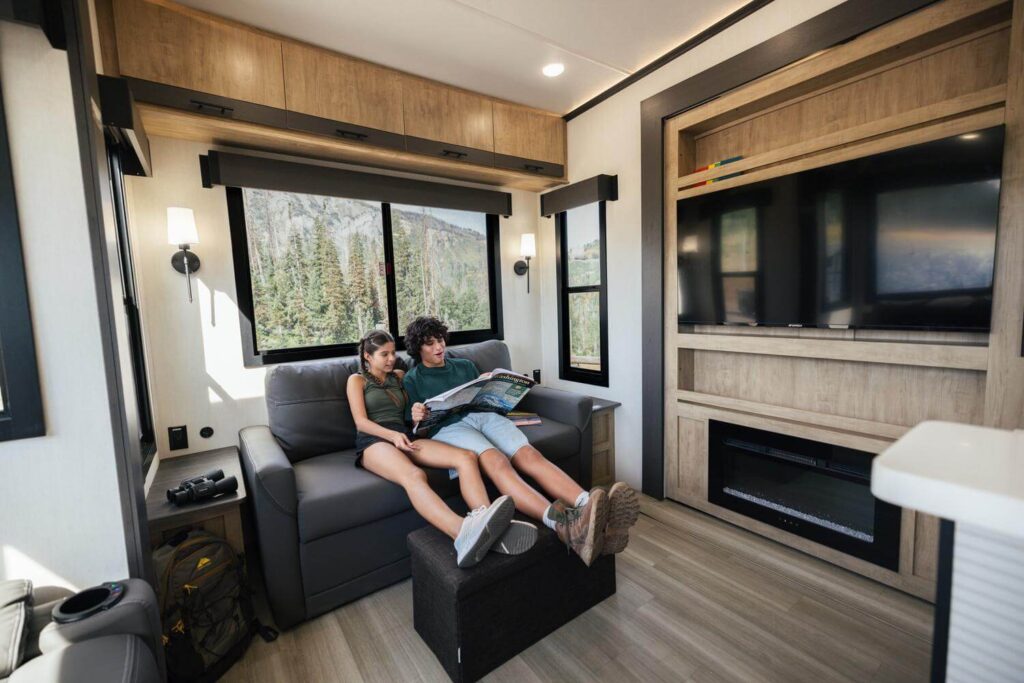
You’ve likely noticed that seating can be limited in RVs, especially in small campers. That means your dinette and sofa often get a lot of use. Especially if you work remotely like me, you’ll quickly realize that stock cushions aren’t the most comfortable for long-term use. But even if you don’t want to spend on replacement RV furniture this offseason, smaller upgrades are possible.
Consider reupholstering cushions, adding throw pillows for lumbar support, or investing in armrest swivel trays to transform your sofa into a more comfortable workspace. Other seating upgrades include adding a collapsible ottoman for a more comfortable footrest or swapping out leatherette cushions for an upholstered option that’ll be more comfortable on warmer days.
Many of these simple upgrades pay big dividends in daily enjoyment—and they can easily cost under $100 individually.
One additional idea that can provide major versatility is investing in a small folding table. You can use it for extra meal prep space, a kid’s dining table when hosting guests, or move it outside to aid with outdoor grilling. Just ensure you have adequate space to store it when collapsed.
Doors, Screens & Daily Touchpoints
I’ve found that the biggest annoyances are the everyday things that just don’t work the way they should: the door is hard to open or close, the window shades don’t stay open, you can’t seem to leave the screen door open because bugs always get in, etc.
- Upgrading RV window treatments is a DIY task that most owners can complete during the offseason with relative ease.
- That pesky screen door latch might not even need to be upgraded if you learn how to align the strike plate properly.
- Installing a Screen Defender over the lower section of your screen door keeps Fido (or the kids) from constantly tearing the screen (once you learn how to fix a torn screen, of course).
As an RV owner, you’ll often find that the lines between maintenance and upgrades get blurred. But minor offseason fixes usually feel like significant upgrades when you book that long-awaited spring break RV trip.
Convenience Upgrades That Save Time and Hassle
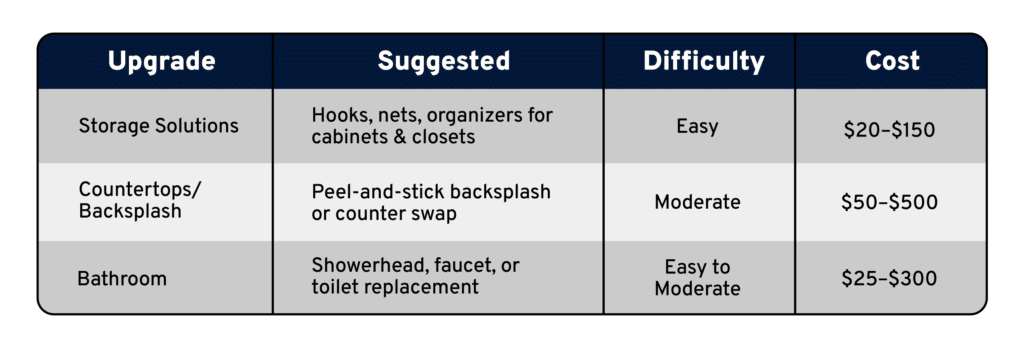
Now let’s shift to upgrades that focus on convenience and customization—improvements guided by what you bring, what you like, and how you plan to camp.
Storage Optimization
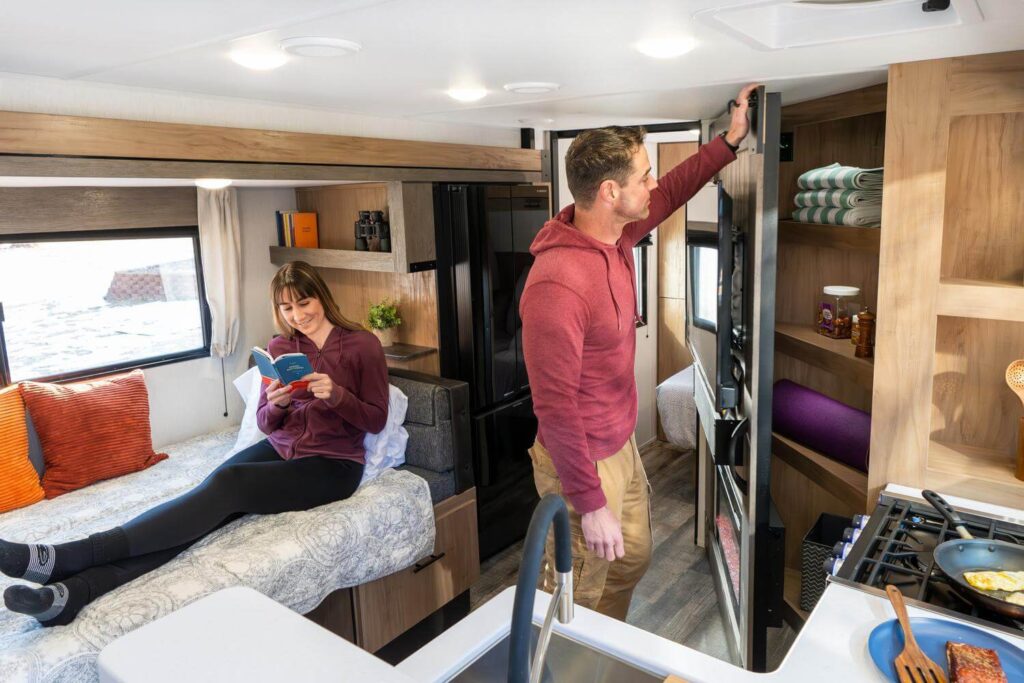
One of the first things I tackled in my RV was storage. This can be done room by room, inside and out, but it comes down to how you want everything organized. It also involves improving storage access, evaluating things like adding a camper bed lift kit.
Personally, I’m a huge fan of hooks for added hanging storage—adhesive and over-the-door varieties. I never seem to have enough places to hang hats, coats, towels, etc. I also love baskets or bins in various sizes, as these help me organize open pantries, cabinets, and closets.
Of course, there are utensil organizers for your kitchen, collapsible crates for basement compartments or under-bed storage areas, peel-and-stick caddies and organizers for toiletries, canvas storage pockets for shoes, and many other choices.
How you optimize storage in your camper depends on how much you pack and how you want to access it, but tackling some of these storage upgrades during the offseason allows you to plan for maximum efficiency. Luckily, the costs are relatively reasonable, and most of these are beginner-friendly DIY additions.
Bathroom Touchups
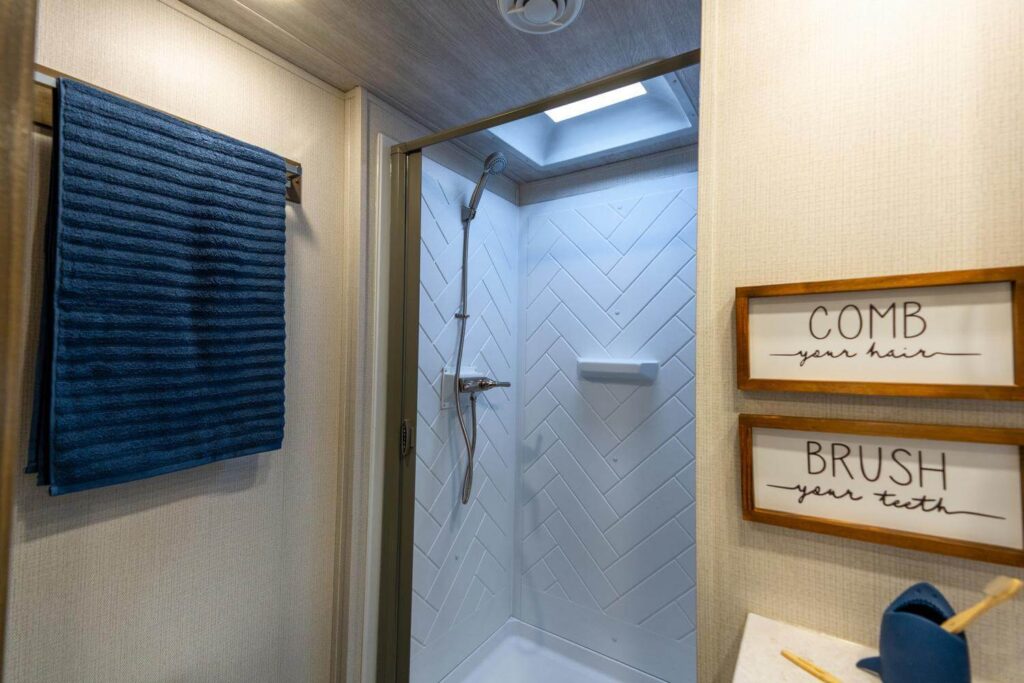
You might be surprised to learn that the bathroom is often the area I look to improve once storage is dialed. Sure, I don’t spend nearly as much time here as in the other parts of my RV, but RV bathroom upgrades are all about improving functionality.
I’m talking about upgrading your shower head, swapping in a better faucet, or even replacing the plastic toilet with a porcelain model. These projects range from simple remove-and-replace swaps to more complex installations. For example, if you haven’t found yourself in the unfortunate position of having to replace an RV toilet for sanitary reasons, this might be one that could wait a few seasons.
Which Camper Replacement Toilet?
However, enjoying adequate water pressure when you shower, feeling comfortable when you sit down to use the bathroom, and actually being able to wash your hands at the bathroom sink will all make your RV feel more like home.
Countertop, Backsplash & Kitchen Workflow Improvements
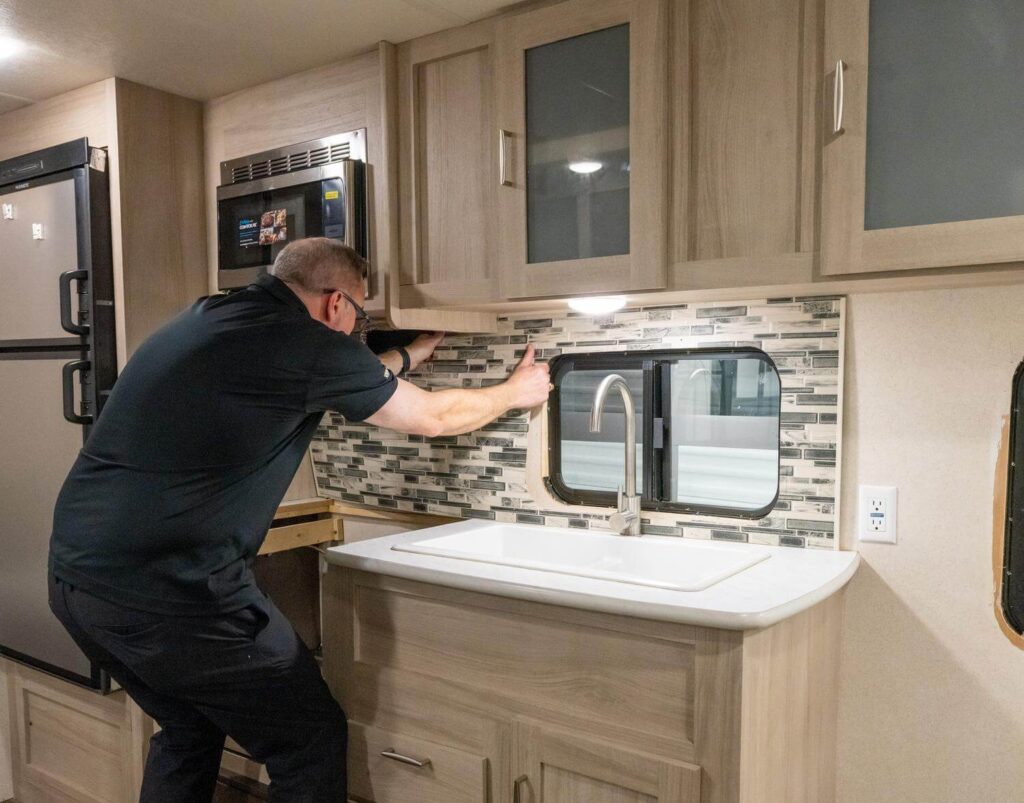
Now it’s time to think about some decor and workflow upgrades for your kitchen. There are many manageable ways to upgrade an RV kitchen without breaking the bank. No need to overhaul anything major—swapping T-mold countertops for solid surface isn’t an upgrade I’d personally feel comfortable with on my own—but installing a peel-and-stick backsplash is undoubtedly within my comfort zone.
Other ideas that tend to be DIY-friendly include mounting an under-cabinet paper towel holder to free up counterspace, adding a countertop extension for added prep space, or installing drawer slides for easier opening and closing (yes, some RVs aren’t built with them standard!). Winter is the perfect time to tackle these because you can work at your own pace without rushing to hit the road.
If you’re really tired of your counters, learn more about redoing RV countertops.
Safety, Reliability, Tech, & Power

Those comfort and convenience upgrades are a great place to start in your first RV offseason, and if that’s all you tackle, there’s nothing wrong with that.
However, I’d like to briefly touch on some other additions and improvements that can make using your RV safer and easier—as well as a few popular add-ons that you may not actually need.
- Tires & Tire Pressure Monitoring. I’ve learned the hard way that tires deserve attention—multiple blowouts in less-than-convenient locations will do that. Winter is a good time to inspect, rotate, or replace tires, and investing in a tire pressure monitoring system is one of the best safety upgrades you can make.
- Battery Health & Electrical Basics. Battery care is another often-overlooked area. Take the time to learn how to care for RV batteries and recognize when it’s time for a replacement. That way, you’ll enjoy reliable power when it’s time to camp again.
- Entry Steps, Handrails & Stability. Adding step rugs or upgrading a handrail might seem minor, but both can prevent slips and add peace of mind. These improvements are relatively easy and make daily RV life safer.
- Solar Panels & Generators. Solar is a popular RV upgrade that many people ask about—but, in my opinion, they often ask about it too soon. Unless you’re planning extended boondocking trips, most owners drive to a campground and plug in for the duration of their stay. Even then, a portable generator is often a more reliable off-grid power solution than a major solar upgrade, at least until you plan to spend weeks off-grid without plugging in to a tow vehicle, generator, or power pedestal to recharge.
- Connectivity & Internet. Many modern RVs now come with some form of Wi-Fi prep. These pre-wiring setups vary, but they’re all intended to make a plug-and-play router upgrade easier for the RV owner. However, unless you’re working remotely or can’t stand sharing a Wi-Fi network with campground neighbors, this might not be an essential upgrade for your first offseason.
But if you do want to explore it, here’s our quick guide to the best RV internet options.
What’s Worth Paying a Professional For
If I’m being honest, part of the fun of RV ownership is actually taking that ownership over your RV. Like owning a home, you’re free to make repairs and improvements to suit your needs. That’s why every RVer should carry their version of our list of must-have RV tools. However, not everything should be a DIY project.
My rule of thumb: Easy upgrades, such as mattresses, organizers, doors, and shower heads, are perfect for beginners. Anything electrical, propane-related, or structurally complex—think major countertop swaps or slide mechanisms—usually requires a professional. Investing in a shop install can save headaches and ensure your RV is safe and functional.
Make Your RV Yours
The first winter with a new RV is a chance to take stock, make thoughtful changes, and shape it into something uniquely yours. Don’t feel pressured to tackle every upgrade at once. Focus on the improvements that solve your biggest discomforts, add convenience, and enhance safety.
Even small tweaks can make a huge difference. By the time spring rolls around, your camper will be ready to hit the road with confidence, comfort, and that sense of home that makes RV life so special.
Here are some additional resources we hope you find helpful:
- Best RV Upgrades (Ranked by $$$)
- Guide to RV Battery Upgrades
- RV Preventative Maintenance Tips
- Need an RV Door Handle Upgrade?
What upgrades are you planning for your RV offseason? Let us know in the comments below!