
THIS WINTER, a very strong El Niño—sometimes called a “Super” El Niño—is expected to rank among the strongest on record and is likely to shift weather patterns across the US. What that means for your RV plans depends on where you travel. The northern US is favored to see milder, drier weather, which could stretch the camping season for some. Meanwhile, the South, the Southwest, and Southern California are favored to see wetter, stormier conditions, with a higher chance of flooding and, at times, ice.
So, how do you prepare? It depends on where you live and how you plan to travel, but these tips will help you get squared away no matter where you’re headed. If you’re used to winterizing once and parking your RV until spring, a milder winter may give you more chances to camp, with some extra winterizing along the way. If you’re a snowbird used to comfortable winters, plan for storms and take a few extra precautions.
What Is the “Super” El Niño?
El Niño events occur approximately every two to seven years, though they can occur back-to-back or not at all for ten years. It’s the warm phase of a natural climate cycle in the Pacific Ocean that occurs when water along the equator runs warmer than average. This shifts the jet stream, creating a high-altitude river of air that drives storms across North America. In a typical El Niño winter, that jet stream dips south, sending more storms and cooler, wetter weather across the southern US while the northern states turn warmer and drier.
That’s what we could be looking at this winter, only more severe. A stronger El Niño makes those typical patterns more likely.
“Super El Niño” isn’t an official NOAA category, but it informally refers to an exceptionally strong event, typically one where ocean temperatures run about 3.6°F (2°C) above average for three consecutive months. Only three events have reached that level since 1980: 1982-83, 1997-98, and 2015-16.
This year’s event is on track to join them, and possibly top them. The World Meteorological Organization expects it to peak around December, and some forecasters say it could be the strongest on record. NOAA’s most recent update, issued November 12, puts the chance of a strong-to-very strong El Niño lasting through January–March 2027 at better than 79 percent, so RVers should already be thinking about what this means for them.
Here’s the big-picture outlook from NOAA’s winter forecast:
- The North and East are favored to be warmer than average. That includes the Pacific Northwest, northern Rockies, Midwest, Mississippi Valley, much of the East, and Alaska.
- The South, Southwest, and East Coast are favored to be wetter than average. El Niño winters can also bring snow and ice to southern areas that rarely see them when storms meet pockets of cold air.
One important caveat: nothing is certain with these predictions. A warm winter up north can still deliver a big snowstorm. For example, during the 2015-16 Super El Niño, a late-January blizzard brought more than two feet of snow to New York City.
What It Means to Prep for Unpredictable Storms
For snowbirds and full-timers wintering in the South, this season may look different from the sunny escape you’re used to. A supercharged southern storm track could mean more rain, grayer days, and a higher chance of snow and ice in places that rarely see it, like Georgia, Texas, and the Carolinas. The Southwest is also in line for a wetter winter than usual. Here’s how to stay ahead of it.
1. Protect Your Plumbing
If you’ve been wintering in the South for years, you may never have needed to winterize. This could be the year that changes. Snow and ice storms in the Southeast and Gulf states often catch southern campgrounds off guard. While you might not want to winterize while you’re living in the rig, it is possible. The only thing you really won’t be able to use is the water system, but if you keep a large water container and are okay with going without showers for a short period, it could be the best bet to weather a severe storm. The toilet consideration is the big one, as doing this requires either investing in a portable toilet or using plastic bags to collect waste until the system can be dewinterized.
But even if you don’t go that route, you can take other steps to protect your plumbing, such as:
- A heated water hose
- Disconnecting from city water and filling your fresh tank instead
- Insulating exposed connections (possibly even the campground spigot)
- Installing tank heaters (if not already equipped)
- Using skirting to prevent cold air from setting under your camper
- Opening cabinet doors to let heat reach plumbing along exterior walls
Technician Tip: If you add heat to the basement compartment, stick with heat tape or a heater made for RV compartments. Never use an open flame or an unvented propane heater.
A cold snap also means your furnace runs harder, so you’ll also need to be prepared with backup propane. Refill stations and delivery services may close when roads ice over. A third LP container (for RVs with swappable bottles) is a smart investment to be prepared for the unexpected. And with the heat running more than usual, make sure your carbon monoxide and propane detectors are working, too.
2. Plan Ahead and Build in Flexibility
An active El Niño season means weather is more likely to disrupt your plans. NOAA’s Climate Prediction Center publishes monthly and three-month outlooks by region, which can be especially helpful as you plan trips. Monitor the route and destination, since mountain passes, high plains, and river valleys can change quickly. Check road conditions before you leave and again on travel day.
Then build in a backup. If you’re headed to the Gulf Coast or Florida, where will you go if the forecast turns? Sometimes a few hundred miles inland or west is enough to get out of a storm’s path. Favor campgrounds with reasonable cancellation and change policies, and avoid prepaying long stays you can’t adjust. Also, build an extra day or two into your schedule so you can wait out a storm rather than drive through it.
3. Be Ready for Severe Weather
An RV is not a safe place to ride out heavy winds, a severe thunderstorm, or a tornado. As always, when you check in, ask where the campground’s storm shelter is, or find a sturdy public building nearby. Keep an emergency kit ready to grab, stocked with flashlights, a weather radio, medications, a first-aid kit, and copies of important documents.
Stay informed as you travel. Turn on Wireless Emergency Alerts on your phone, keep a NOAA weather radio in the rig, and use a weather app that follows alerts for your current location.
4. Know When to Go and When to Stay
The hardest call in a stormy winter is whether to hit the road or hunker down. RVs are tall, lightweight, and boxy, so it’s best to stay parked when sustained winds or gusts are forecast above 30-40 mph. In strong winds, retract all slide-outs and awnings. Don’t drive on ice, either. Southern states have fewer plows and salt trucks, so even a light coating can shut down roads for a day or two. Waiting is almost always safer than pushing through.
Flooding is the other big risk. Heavy rain is more likely across the southern tier, so if your site sits in a low area or near a creek, relocate before the storm, not during it. In the desert Southwest, dry washes can flood quickly, so don’t camp in or next to one. Never drive through water on the road. If local officials issue warnings or campground staff recommend leaving, go early, because traffic and road closures only get worse.
Sometimes the safest move is leaving the rig altogether. If your campground has no sturdy shelter and severe weather is in the forecast, if floodwater is threatening your site, or if you can’t keep the RV safely warm during a hard freeze, a hotel is a smart backup. Ahead of a storm, consider booking a refundable room early, since rooms fill fast along a storm’s path, and check the hotel’s pet policy and RV parking. Before you leave, retract slide-outs and awnings, and take steps to protect your plumbing if temperatures will drop below freezing while you’re away. If a tornado or severe thunderstorm warning is issued, don’t try to drive. Get to shelter right away.
What It Means for A Potential Extended Camping Season
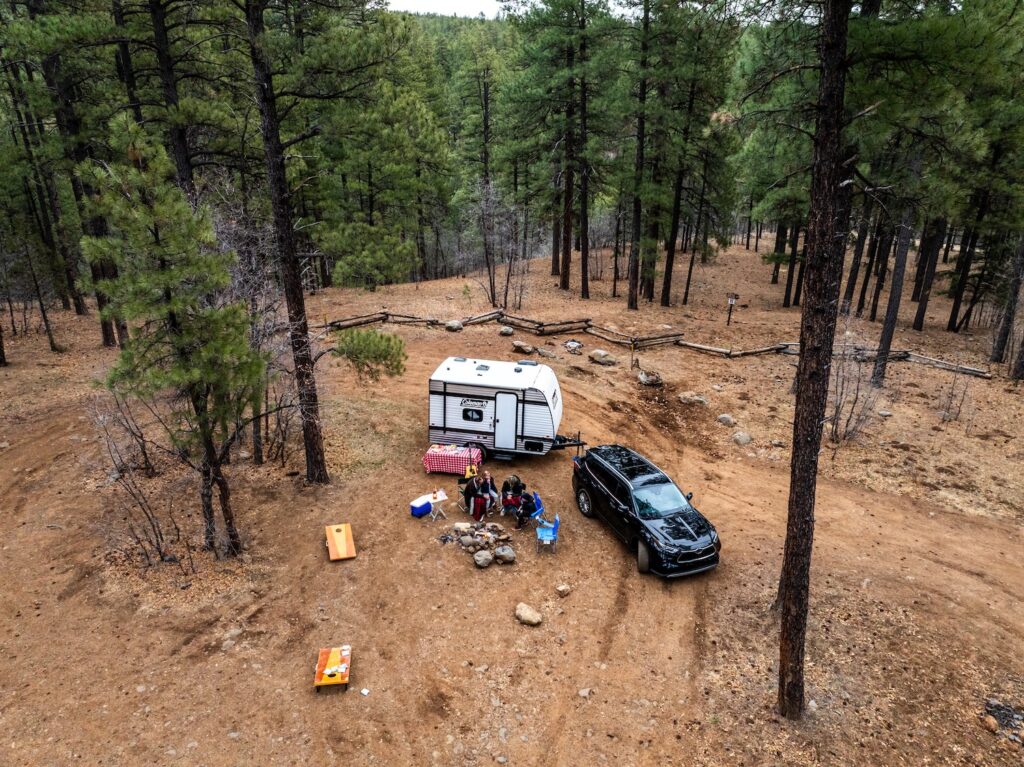
Now, let’s talk about owners who may have their camping season extended.
If you RV across the northern half of the country, this could be the winter you don’t park the rig for good until next spring. While you still have to watch the weather, a milder, drier season can open the door to more weekend trips, shoulder-season getaways, and fewer crowds. But don’t celebrate too soon. It also means rethinking winterization. If you want to take advantage of the warmer weather, you need to get good at winterization and dewinterization. Here’s why.
1. Learn how to winterize and dewinterize quickly
A warmer winter isn’t a freeze-free winter — it may just mean more days that are mild enough to camp. But even in a mild season, a single freeze event can crack a water line, split a fitting, or ruin a water heater, so you have to be vigilant about quickly prepping your RV if temperatures are expected to drop. This means you may winterize and dewinterize several times throughout the winter, and you’ll need enough antifreeze stocked up to do this quickly.
Check out our complete guides to winterizing and dewinterizing. Most RVs require the same basic steps: drain all tanks, water lines, and the water heater before adding antifreeze. But certain factors will dictate the process that’s best for your RV, such as the specific winterization protocols recommended by your water heater manufacturer and whether you have a built-in winterization line or require a siphoning kit to add antifreeze to the system. Know your process inside and out, keep antifreeze stocked, and be able to execute it quickly. That goes for reversing the process to dewinterize as well.
2. Research Winter Campgrounds
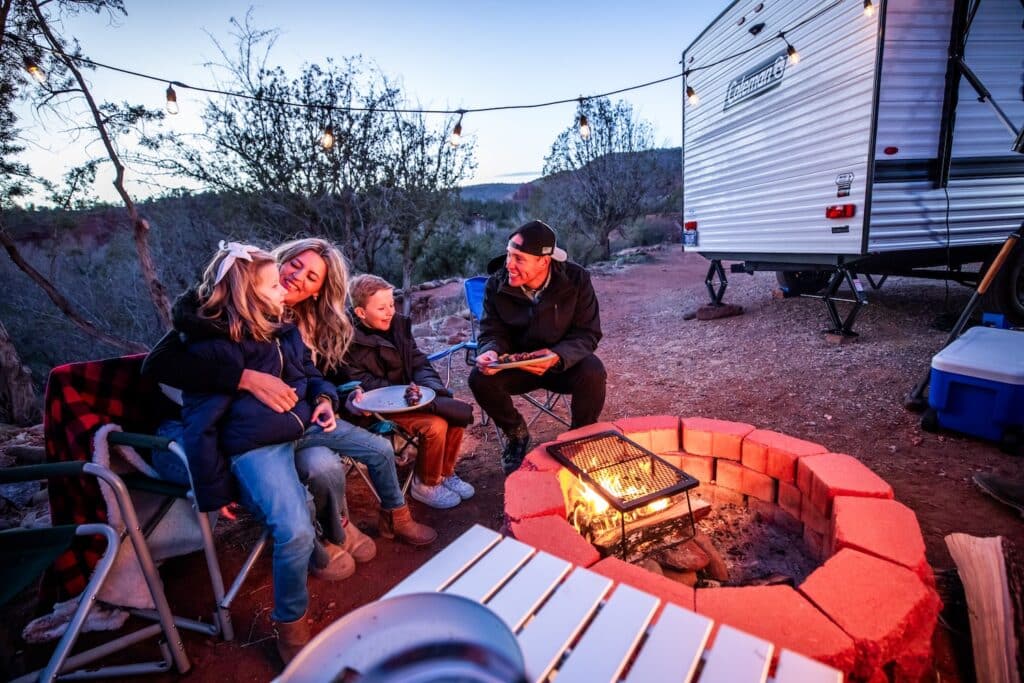
An extended season is a gift, so use it! But along with flexible winterizing and dewinterizing, you may have to approach winter camping a bit differently. Because many campgrounds close seasonally, don’t just count on the sites you normally visit in the summer. Look for parks that stay open year-round, and call ahead to confirm which, if any, services are shut down for the season. For example, the campground may be open, but water to all sites may be turned off.
The good news is that many campgrounds offer cheaper offseason rates. So now is your chance to grab the best spots in parks you’ve had a hard time getting into during peak season. This is the real benefit of winter camping: lower prices, fewer crowds, and more opportunity to visit locations that are normally booked.
But the takeaway is that you’ll need to confirm what you’re getting for those discounted rates. Sure, the trails, lakes, and overlooks that are shoulder-to-shoulder in July are often nearly empty, and without the heat and the bugs, hiking, biking, and fishing are better. A holiday weekend like Thanksgiving makes a good test run. Just make sure you’ll have the amenities you need back at camp.
3. Prep Your Rig
Even in a warmer winter, you’ll need to take steps to protect your rig that aren’t necessary during the regular season. Overnight lows are lower, days are shorter, and your rig is more exposed. For starters, plan to arrive and set up before dark, because the sun goes down early.
During that setup, a heated water hose is an absolute must, and adding insulating cushions to your roof vents will help your rig hold the heat your furnace produces. Installing heating pads for your holding tanks is an option, although it’s a larger investment. And if you’re planning to remain stationary through the winter, placing skirting around your camper can further reduce heat transfer and minimize the risk of frozen water lines.
Watch moisture and humidity levels inside your RV, too. Warm days and cold nights are a recipe for condensation, which can eventually lead to mold if it’s not managed. Run the range hood fan when you cook, remove a cushion and crack a roof vent when you shower, and consider a dehumidifier or moisture absorbers.
Check your power and propane, too. Many lithium batteries can’t safely charge below freezing without low-temperature protection, so check your battery’s specs before the first cold night. And when you’re running that furnace regularly, you’ll go through propane much more quickly than usual. Consider keeping a third spare container as a backup, and always know where your nearest refill station is located.
Don’t forget to check your tire pressure before you travel, as it can drop as temperatures fall.
Should You RV this Winter?
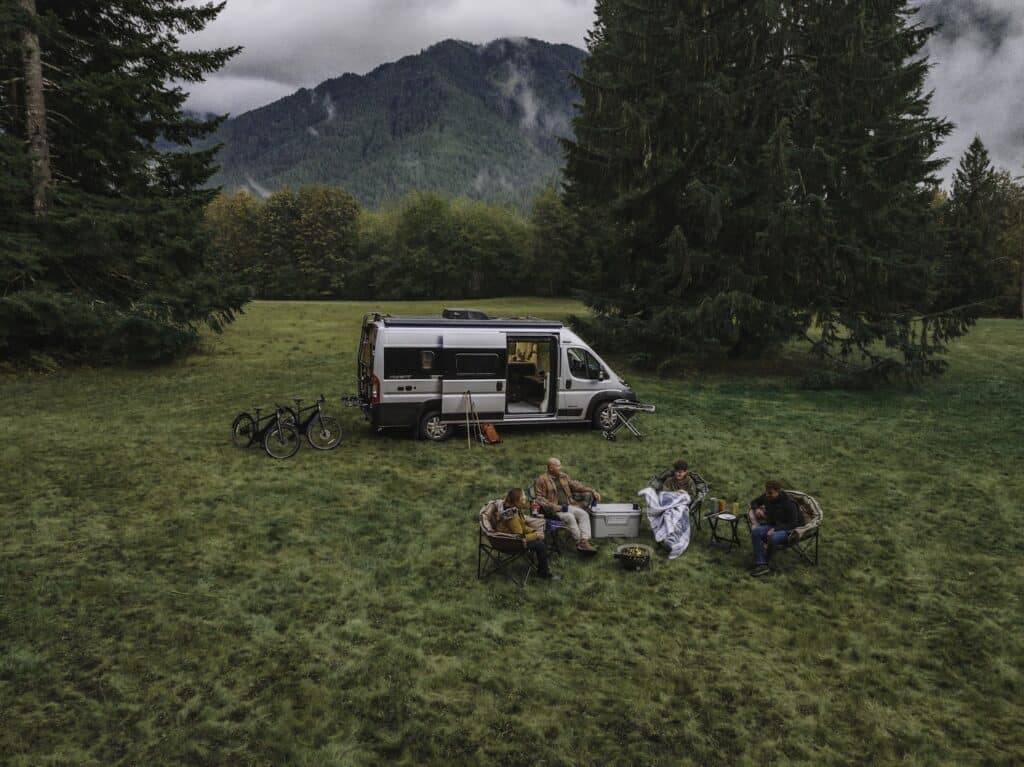
The Super El Niño won’t hit every RVer the same way. Up north, it may hand you bonus camping weeks, as long as you’re ready to winterize at a moment’s notice. Down south, it may test your patience and preparedness. Either way, the RVers who come out ahead this winter will be the ones who check the forecast often, stay flexible, and keep their rigs ready for whatever the season brings. RVers are an industrious bunch, so this is nothing new.
Thinking about upgrading to a rig with more weather protection? See our picks for the best 4-season travel trailers.
What are your tips for expecting the unexpected while you RV? Let us know in the comments below!


