
FOR MANY RVers part of the appeal of camping is getting a reprieve from the noise and traffic of everyday life, even if that means sharing a campground with others. It’s often a tradeoff: hookups, electricity, and convenience in exchange for neighbors parked a little closer than you prefer. But if you’re looking for more secluded campgrounds, there are steps you can take to find campsites that feel quieter and less crowded.
Now, there are degrees of privacy. Between rugged boondocking and bumper-to-bumper parking lot camping lies a wide spectrum of campsite types, sizes, and environments. But if you find yourself excited about camping but dread generator noise, music, late-night foot traffic, and the general hum of a busy campground, these tips will help you have a calmer, quieter, more peaceful camping experience.
Key Takeaways
- Privacy isn’t just about distance—it’s about design. Campsites with natural buffers, fewer sites per loop, thoughtful layouts, and smart positioning can feel quiet and secluded even when neighbors aren’t far away.
- A little research goes a long way. Using satellite view, campground maps, reviews, and site descriptions before booking can help you spot quieter sites and avoid noise from roads, amenities, and high-traffic areas.
- Aim for “more privacy than average,” not perfection. Outside of dispersed camping, total isolation is rare—but choosing the right campground type, timing your stay, and setting up intentionally can dramatically improve how peaceful your camping experience feels.
What Secluded Campgrounds Really Mean
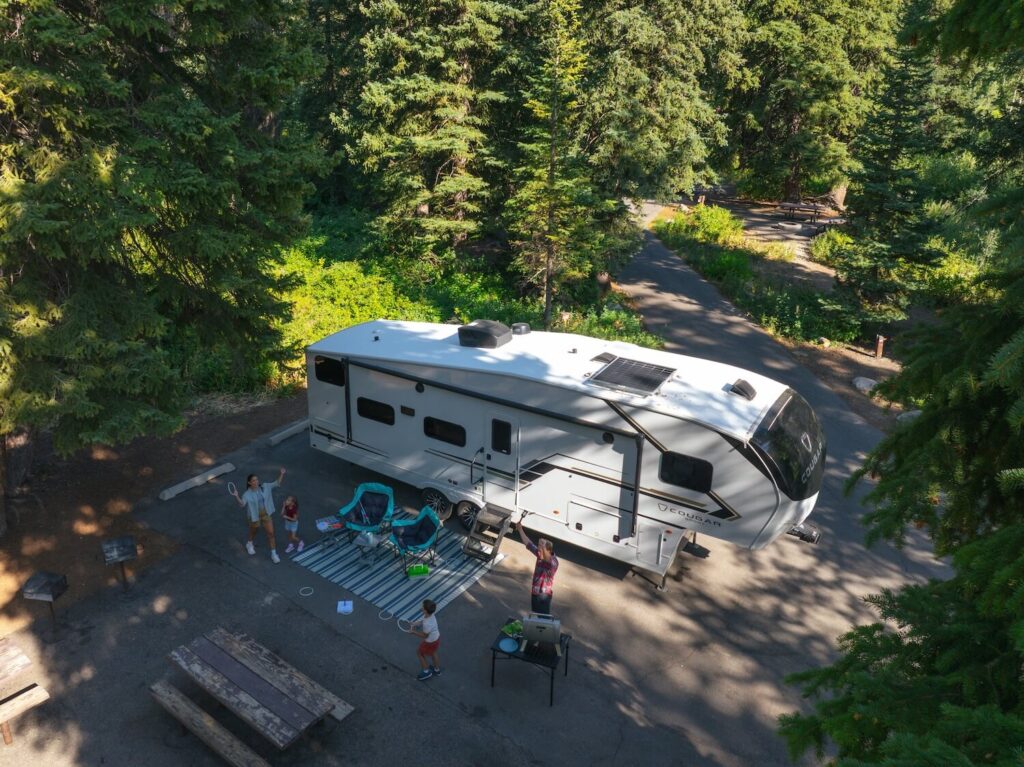
Privacy can be hard to pin down. It takes many shapes. I’ve spent time at campgrounds that, while physically closer together than I would have liked, still felt comfortable and secluded thanks to trees and foliage. Alternatively, I’ve boondocked in spots with so many campers that it defeated the purpose entirely. Privacy can mean different things. Here it is at a glance.
Physical Space & Natural Buffers
Simply put, the more space between you and your neighbors, the more private—and quieter—your stay.
However, that’s not the whole picture.
Larger sites tend to offer more room to spread out, making it easier to avoid direct sightlines into neighboring campsites. Extra depth or width can also allow you to position your RV to create a more comfortable buffer. However, anyone who has stayed in a large, new campsite—with sapling trees to boot—knows that a large campsite doesn’t always mean a private one.
Natural buffers like trees, shrubs, elevation changes, and uneven terrain can make a major difference, even when campsites aren’t especially far apart. A row of mature trees, a small ridge, or a dip in the landscape can block noise, limit visibility, and make a site feel more secluded without adding physical distance.
Fewer sites per loop is another strong indicator of privacy. (Heck, a looped campground itself is a good indicator). Campgrounds designed with lower density—where loops contain fewer sites—typically experience less foot and vehicle traffic and a generally quieter atmosphere. These layouts are often found in older parks, primitive loops, or campgrounds that prioritize a natural setting over maximum occupancy.
Noise Privacy
We all hope to avoid camping next to a midnight Motörhead enthusiast (and camp rules ought to prevent this), but noise privacy is real, and it can be hard to come by. Yet it’s worth preparing for and fighting for—and noisy neighbors aren’t the only culprit.
This is where site selection inside a campground can make a big difference. Nearby roads, playgrounds, and bathhouses are common sources of campground noise. Even well-spaced sites can feel busy if close to internal roads, communal facilities, or high-traffic areas. When possible, choose a spot farther from shared amenities if a quieter experience is the priority.
Full Privacy vs “More Privacy Than Average”
When searching for secluded campgrounds, it’s helpful to reset expectations — especially if you are sticking to a traditional, full hookup campground.
Outside of dispersed camping or truly remote locations, most campgrounds are still shared spaces. Full isolation isn’t always realistic. But that doesn’t mean a campground can’t still feel peaceful or enjoyable.
Especially if you prefer full-hookup sites, the goal might not be total privacy, but more privacy than usual. Fewer neighboring sites, better natural screening, less foot traffic. Small improvements—like an end-of-loop site or a buffer of trees—can dramatically change how a campsite feels, even if other campers are still nearby.
Approaching your search with this mindset makes it easier to identify campgrounds that strike a balance between comfort, amenities, and quiet.
How To Spot a Private Campsite Before You Book
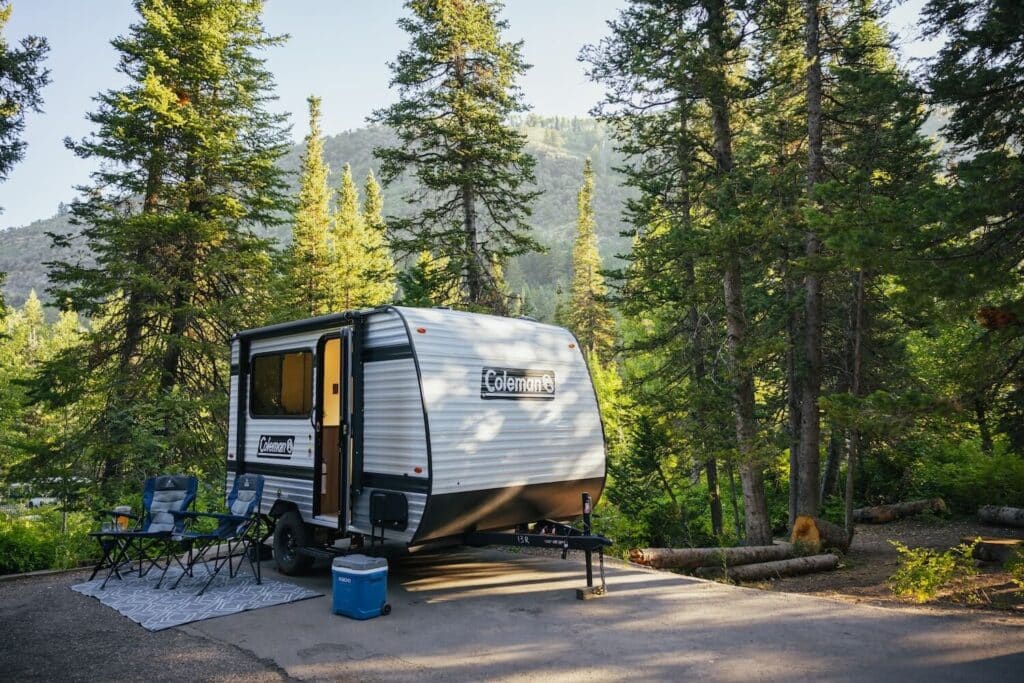
We know a good campsite when we see one—or experience one. But what strategies can you use to find a secluded campgrounds before booking? A little pre-booking research can reveal a lot about how a campground is laid out and how private your stay is likely to feel. And you have more tools at your disposal than ever before.
Use Satellite View and Campground Maps
One of the most effective ways to evaluate campsite privacy is to use Google Satellite View alongside the campground’s official site map. Together, they can provide a clearer picture of spacing, layout, and surroundings than photos alone.
Zoom out, and take note of how closely campsites are grouped, how many sites are packed into each loop, and whether the campground favors dense layouts or more open designs.
Look for vegetation and natural buffers. Trees, shrubs, elevation changes, and uneven terrain are easier to spot in satellite view and can provide meaningful visual and noise separation—even when campsites aren’t especially far apart.
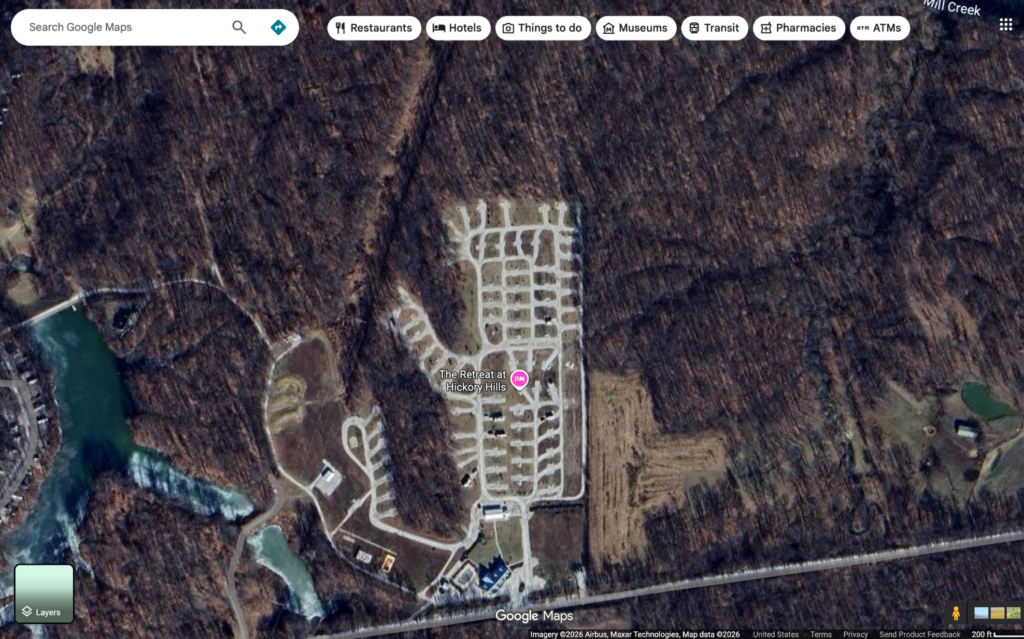
Google Satellite View also makes it easier to spot secluded campgrounds located along internal roads, entrances, or main campground thoroughfares. These sites often experience more vehicle noise, headlights, and foot traffic, which can reduce the sense of privacy.
For those who already seek solitude by boondocking or dispersed camping, Google Satellite View is an excellent way to locate off-the-beaten-path campsites. Look for clearings and zoom in to identify landmarks like fire pits. Always check local regulations to ensure safe, lawful dispersed camping.
Read Campground Reviews
Campground reviews can be just as useful as maps and photos—if you read them with the right lens. Rather than focusing on overall ratings, pay attention to how reviewers describe their stay experience.
Look for mentions of quiet conditions, roomy campsites, natural separation between sites, or comments that suggest the campground felt peaceful or secluded. These details often reveal more about privacy than photos alone, and can help you gauge whether a campground prioritizes space or packs sites closely together.
It’s also helpful to watch for recurring themes. When multiple reviewers mention similar conditions, especially across different times of year, it’s a strong indicator that the campground consistently offers a quieter, less crowded environment.
Pay Attention to Site Descriptions
Campsite descriptions often include specific terms that offer clues about how private a site is likely to feel. Knowing which details to look for—and how to interpret them—can help you choose a quieter spot before you book.
When reviewing site listings, look for whether a campsite is described as a pull-through or back-in site. Pull-through sites are commonly positioned along main campground roads and may see more vehicle traffic.
Alternatively, back-in sites are often set deeper within loops or along perimeter areas, which can result in fewer passersby and a more secluded feel.
Site length and orientation are also important. Longer sites offer more flexibility to position your RV to minimize direct sightlines with neighboring campsites. Orientation affects how close your entry door, windows, and outdoor living space feel to others.
Finally, look for end-of-loop sites. Positioned at the edges of campground loops, these sites typically see less vehicle and foot traffic than those along main roads.
Which Types of Secluded Campgrounds Offer More Privacy?
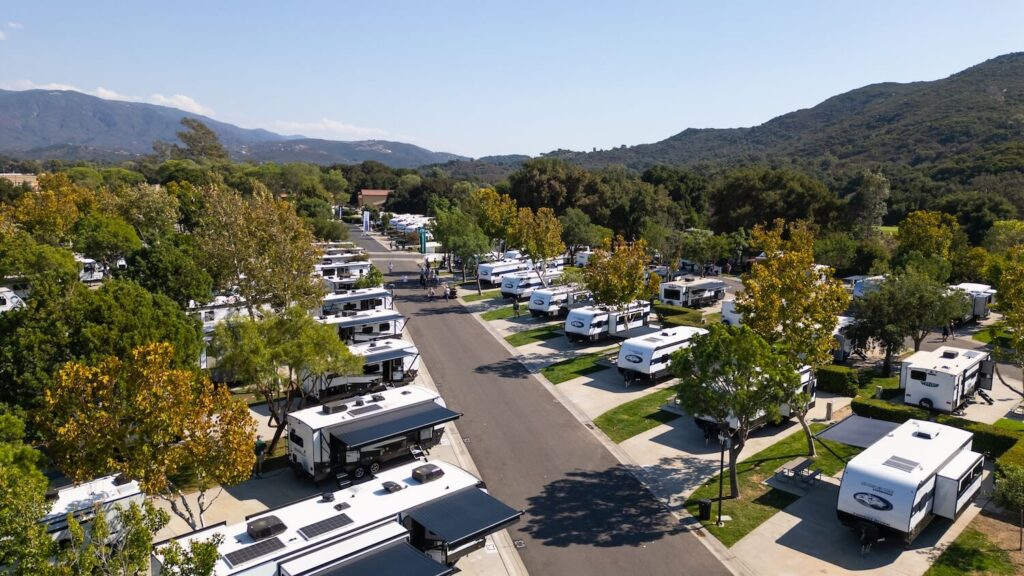
Campground demand has increased steadily in recent years, and more campers are reserving sites further in advance. This means that finding privacy requires more homework—even for those interested in boondocking and dispersed camping. However, certain types of campgrounds generally offer a quieter experience than others.
State Parks
State parks are a strong starting point, particularly those designed decades ago. Older state parks tend to feature larger campsites, wider spacing, and more mature trees—design elements that naturally create separation between neighbors. These make ideal secluded campgrounds.
Within state parks, walk-in or electric-only loops are frequently quieter than full-hookup areas. These loops typically attract fewer large rigs, experience less vehicle traffic, and are often set farther from high-use amenities. As a result, they can feel more relaxed and less congested.
Private Campgrounds with Low-Density Design
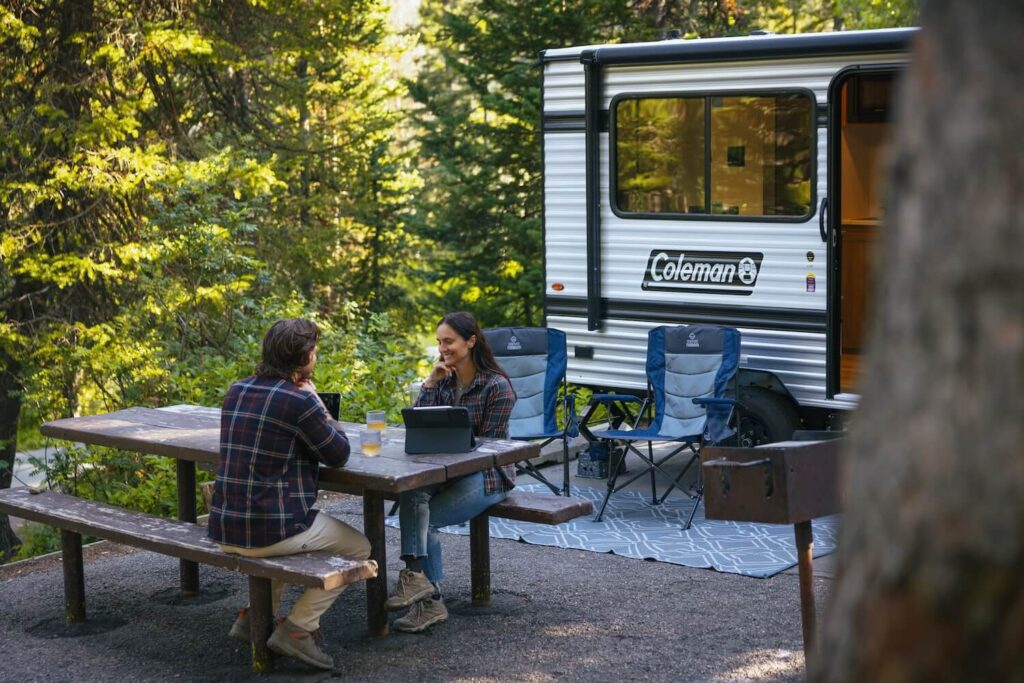
Not all private campgrounds are designed for maximum occupancy. Some intentionally limit the number of RV sites to create a quieter, more spacious experience. These are often referred to as low-density design. These campgrounds may charge more per night, but the tradeoff is greater privacy and a more relaxed atmosphere.
How Many RV Sites Per Acre? There’s no single standard for campground density, but the number of RV sites per acre can offer a useful benchmark when evaluating privacy:
High-density RV parks may fit 10 to 15+ sites per acre. Moderate-density campgrounds typically average 5 to 9 sites per acre. Low-density campgrounds often have fewer than 5 RV sites per acre.
While site density alone doesn’t guarantee privacy, fewer sites per acre generally means less foot traffic, reduced vehicle noise, and more space between neighbors—key factors for RVers seeking a more peaceful stay.
Private Land & Alternative Camping Options
Beyond traditional campgrounds, private land and alternative camping options can offer a quieter, more spaced-out experience. These options tend to prioritize simplicity and location over amenities, which can translate to more privacy.
Farm stays and ranch properties are common examples. These locations typically host a limited number of RVs at a time, often spread across larger parcels of land. While amenities may be minimal, the added space and reduced density can make for a more peaceful overnight stay.
Membership-based and reservation platforms also help connect RVers with private land camping opportunities. Programs like Good Sam Overnight Stays offer access to one-night stays at unique locations such as farms, wineries, breweries, and other private properties.
These stays are designed primarily for short-term stops rather than extended camping, but they can be helpful for travelers looking to avoid crowded RV parks while staying on the move, or those needing a quiet stay between more traditional campgrounds.
National Forest & BLM Campgrounds
National Forest and Bureau of Land Management (BLM) areas are often associated with some of the most secluded camping experiences. Between dispersed camping and primitive campgrounds, these public lands typically offer fewer amenities but significantly more space and flexibility than established campgrounds.
That said, boondocking has become increasingly popular, especially in well-known recreation areas and during peak travel seasons. As a result, even dispersed camping zones can feel busy in certain regions, with popular pull-offs and established spots filling up quickly.
This is where Google Satellite View again becomes especially valuable. In higher-traffic areas, satellite imagery can help you look beyond the most obvious roadside sites and identify alternate clearings, spur roads, or less-used areas that still comply with local regulations.
While satellite imagery is powerful, pairing it with boondocking-specific apps can save time and help validate what you’re seeing from above. These platforms surface real-world reports from other campers, often including photos, road condition notes, and seasonal access updates.
- The Dyrt offers a large database of dispersed and primitive camping locations, with user reviews that often mention privacy, cell signal, and crowd levels. Filters can help you narrow results to free or public-land camping only.
- iOverlander is especially popular among off-grid and overland travelers. Listings frequently include GPS coordinates, access notes, and candid feedback about whether a spot still feels viable—or has become overused. (Check your app store)
- Freecampsites.net focuses specifically on no-cost camping and is a longtime favorite for identifying established boondocking areas near highways, forest roads, and public land boundaries.
Google Satellite Tip: Zooming out allows you to see how widely dispersed campsites actually are, while zooming in can reveal terrain, tree cover, and access points that aren’t always obvious from ground-level maps.
Booking & Setup Tips For More Privacy
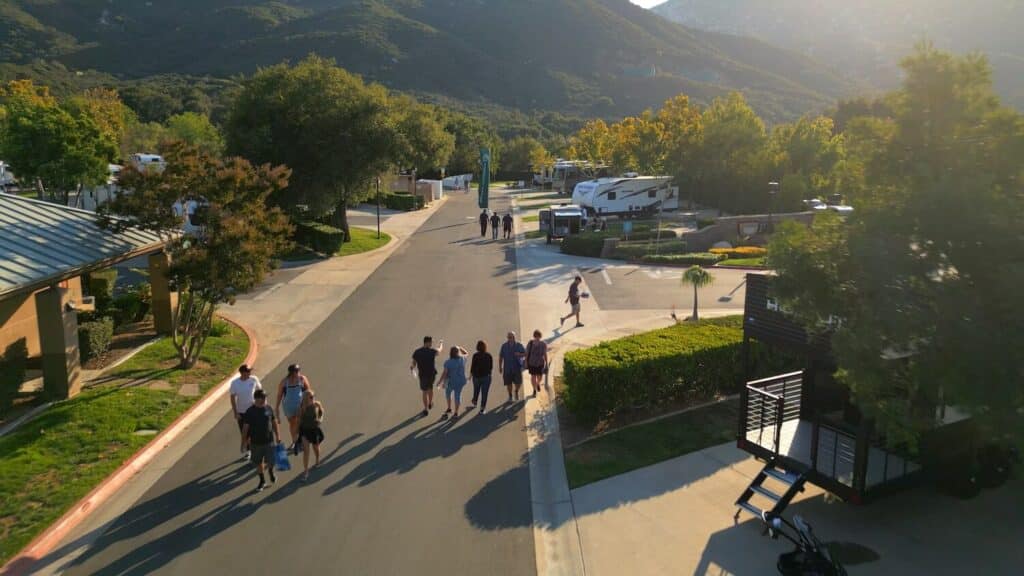
Even in busy campgrounds, these campsite booking tips and setup strategies can make your site feel noticeably more private.
Tip #1: Camp Midweek or During Shoulder Season
- Fewer neighboring campers, even in popular parks
- Less vehicle traffic from arrivals and departures
- Quieter evenings compared to peak weekend stays
Tip #2: Position Your RV for Privacy
- Orient your entry door away from neighboring campsites when possible
- Face doors toward trees, open space, or the edge of the campground
- Use the RV’s “dead side” (the side without doors or outdoor hookups) toward nearby sites to reduce visual exposure and foot traffic
Tip #3: Use Natural and Portable Privacy Solutions
- Take advantage of trees, terrain, and elevation changes to block sightlines
- Park closer to tree lines or natural buffers when available
- Use awnings, outdoor rugs, or simple privacy screens to define your space without overbuilding
When Convenience Matters More Than Privacy
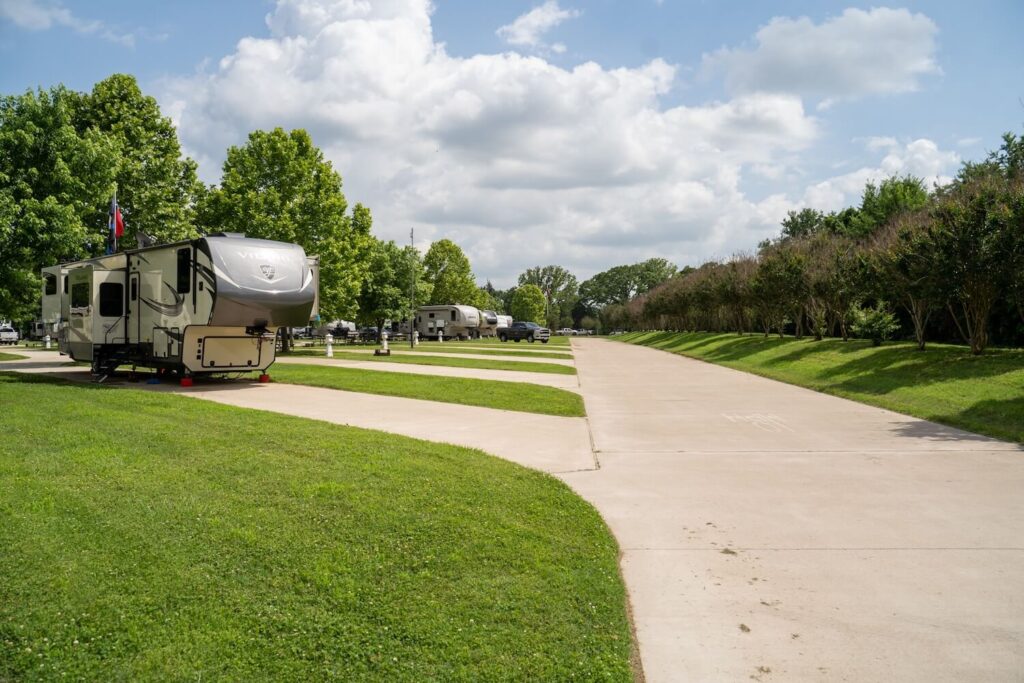
Not every campground is going to be the quiet, tucked-away retreat we picture when we first plan a trip. Some campgrounds—especially the affordable, right-off-the-highway RV parks—exist for a very specific reason: convenience.
These parks are often designed for overnight stops, late arrivals, or quick travel days, where easy access, hookups, and a place to rest matter more than privacy. In those situations, having a well-lit site close to the road can be exactly what you need. And in a pinch, they do the job well.
But if you’re hoping to slow down, enjoy the outdoors, or spend time outside your RV, it’s worth the research to find what’s more likely to suit your interests.
Knowing the difference helps you choose intentionally. When you match the campground to the kind of experience you’re after, you’re far less likely to be disappointed once you pull in.
Looking for more tips and suggestions? Check out the following resources:
Do you have any tips for finding more secluded campgrounds? Let us know in the comments below!


It is a dream.