SOLAR CHARGING systems for campers have three primary components: solar panels, a battery or batteries, and a charge controller. That last piece is what we’re focused on here — what it is, why it’s essential, and what it actually does.
Key Takeaways
- Essential Safety Regulator: It acts as a “traffic controller” between your solar panels and battery bank, preventing damage from overcharging, overheating, and voltage spikes.
- Precision Power Delivery: It converts the high-voltage energy captured by panels into the specific current your batteries can safely handle, automatically tapering off once they reach full capacity.
- Efficiency Options: The system’s performance depends on the controller type, ranging from more budget-friendly PWM models to highly efficient MPPT models that maximize energy harvest.
What Is a Solar Charge Controller?
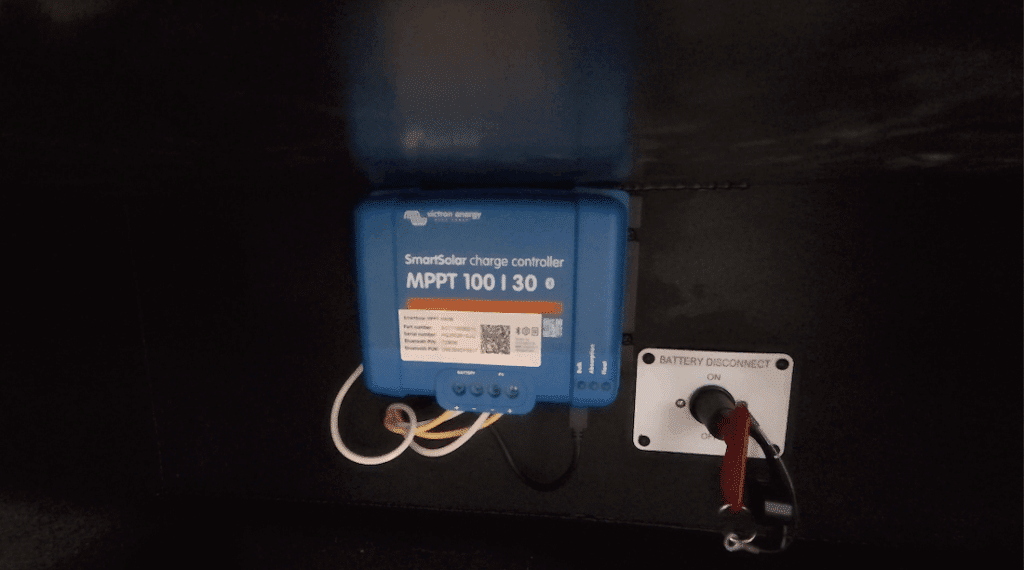
A solar charge controller is a device that regulates the flow of electricity between your solar panels and your RV’s battery bank — protecting your batteries from overcharging and keeping the entire system running safely.
Without one, your RV batteries could overcharge, overheat, or be damaged— and lithium batteries are especially vulnerable, given their tighter voltage tolerances.
What Does a Solar Charge Controller Do?
Solar panels capture energy whenever they’re in sunlight, but the amount captured isn’t constant. It varies based on panel size, angle to the sun, time of day, and weather conditions.
A charge controller takes the energy captured by the panels and regulates it, so your batteries receive only the safe, correct amount of voltage and current. It also improves charging efficiency and helps extend battery life.
Here’s a basic description of how solar controllers work to protect your batteries:
- Solar panels convert sunlight into DC electricity—but usually at a voltage that’s too high for your RV batteries.
- That electricity travels to the solar charge controller, which measures the battery’s state of charge.
- It then adjusts the incoming current, delivering only what the batteries can safely accept.
- Once the batteries are fully charged, the controller automatically tapers off charging or switches to float mode to avoid overcharging.
Depending on the type of controller, this process can be more or less efficient.
RV Solar Charge Controller Types
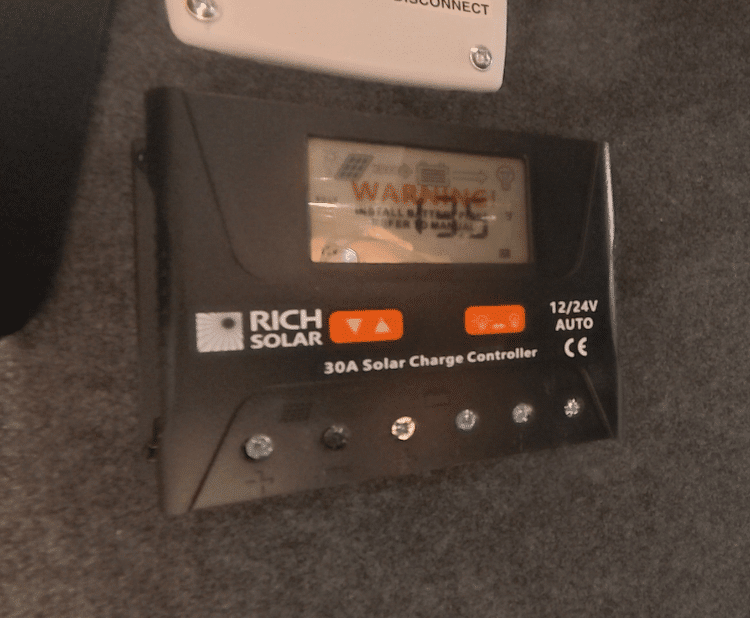
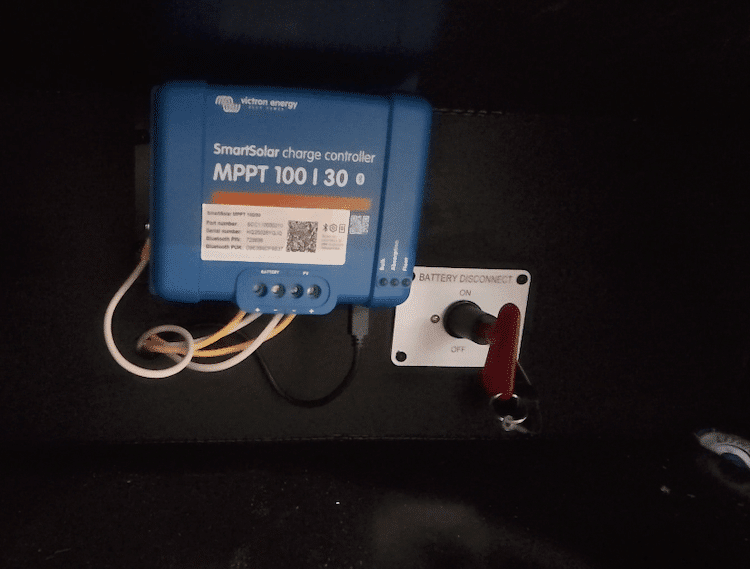
Images by Camping World
There are two primary types of solar charge controllers: PWM and MPPT.
- Pulse Width Modulation, or PWM, solar charge controllers are simpler and cheaper, but they can waste some potential energy harnessed by your panels.
- Maximum Power Point Tracking, or MPPT, solar charge controllers are generally more intelligent and efficient. They can convert extra panel voltage into usable charging power, giving you more energy throughout the day.
How Does a Solar Charge Controller Work For You?
If your RV is prepped for solar, adding a controller is an essential upgrade. It can give you:
- Healthier, longer-lasting batteries because they’re always charged properly.
- More usable power each day—especially when boondocking.
- Added protection against voltage spikes or panel output fluctuations.
What Other RV Solar Components Do You Need?
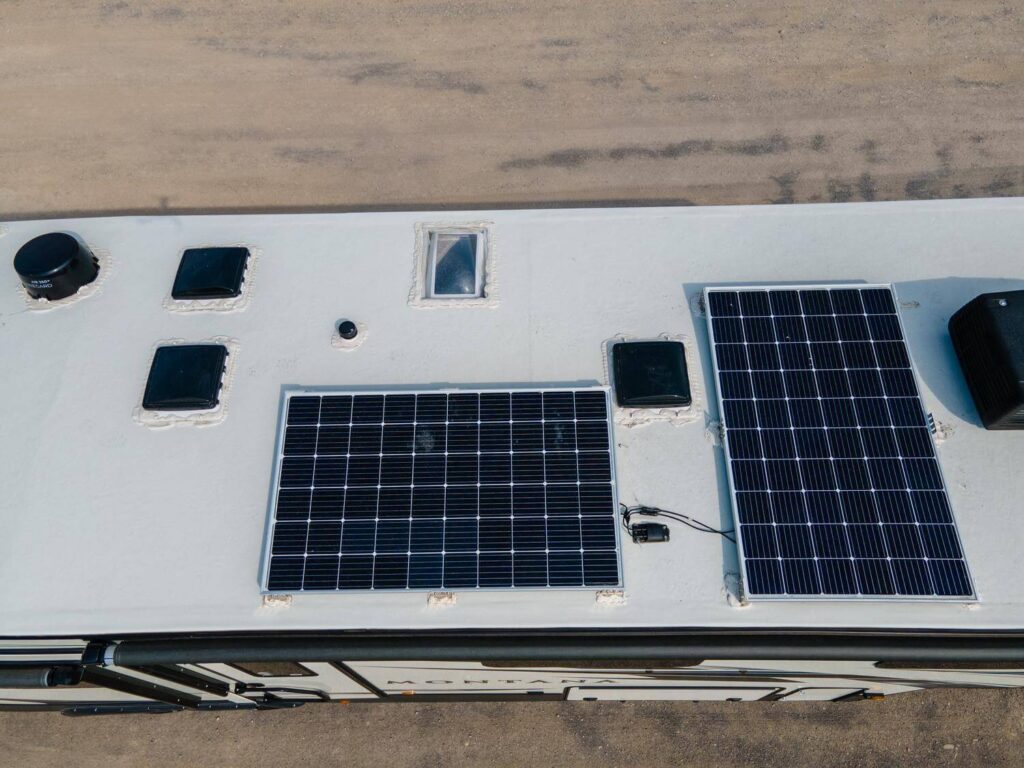
To take full advantage of a solar-ready camper, a charge controller isn’t the only component you’ll need. For a more complete solar upgrade, most RVers also add:
- Solar panels to collect the energy
- A charge controller to regulate it
- An inverter to convert battery power to usable 120V AC power for outlets and appliances
Depending on your solar charging system’s capability, an upgrade will help you keep batteries topped off while you travel, reduce generator use, run small appliances without shore power, and potentially extend your time off-grid comfortably.
Because many new RVs come pre-wired, much of the heavy lifting is already done. You’re just completing the system. However, an RV that isn’t pre-wired will come with additional considerations. In this case, an RV installation center near you is your best resource for discussing your solar upgrade ideas.
Learn more about solar panel installation on prepped RVs.
If your RV came with solar prep, adding panels, a controller, and an inverter can unlock a whole new level of freedom on the road. Use these additional resources to learn more about RV solar and boondocking:
- Is Adding Solar to RV Systems Worth It?
- How Much Solar Power Do I Need for My Camper?
- Can Solar Panels Run an AC Unit?
- How To Maximize RV Solar Energy Efficiency
What questions do you have about solar charge controllers for campers? Let us know in the comments below!