When your RV furnace starts acting up, keeping warm gets a lot more complicated than grabbing another blanket. And a failing furnace isn’t just inconvenient—it’s a safety concern. Whether you’re dealing with no heat, weak airflow, constant cycling, or a heater that refuses to ignite, knowing when to repair and when to pursue an RV furnace replacement helps you avoid unnecessary downtime and expensive mistakes.
This guide covers the process of replacing an RV furnace, the top replacement considerations, which components you’ll often need to replace, and what you should leave to a certified RV technician. You’ll find recommendations for selecting a replacement furnace for an RV, along with model-specific guidance for Atwood, Suburban, and Coleman units.
Key Takeaways
- RV furnaces can often be repaired, but replacement becomes necessary when major components fail (heat exchanger, blower motor, circuit board) or when an aging furnace (10–15 years) requires repeated, costly repairs.
- Selecting a replacement requires matching BTU output, physical dimensions, ducting type, electrical compatibility, and brand fit, with common options from Suburban, Dometic/Atwood, and Fogatti.
- Because furnace replacement involves propane, electrical systems, and safety controls, certified technician installation is strongly recommended to avoid hazards and ensure a reliable, efficient heating system.
When Should You Replace Your RV Furnace?
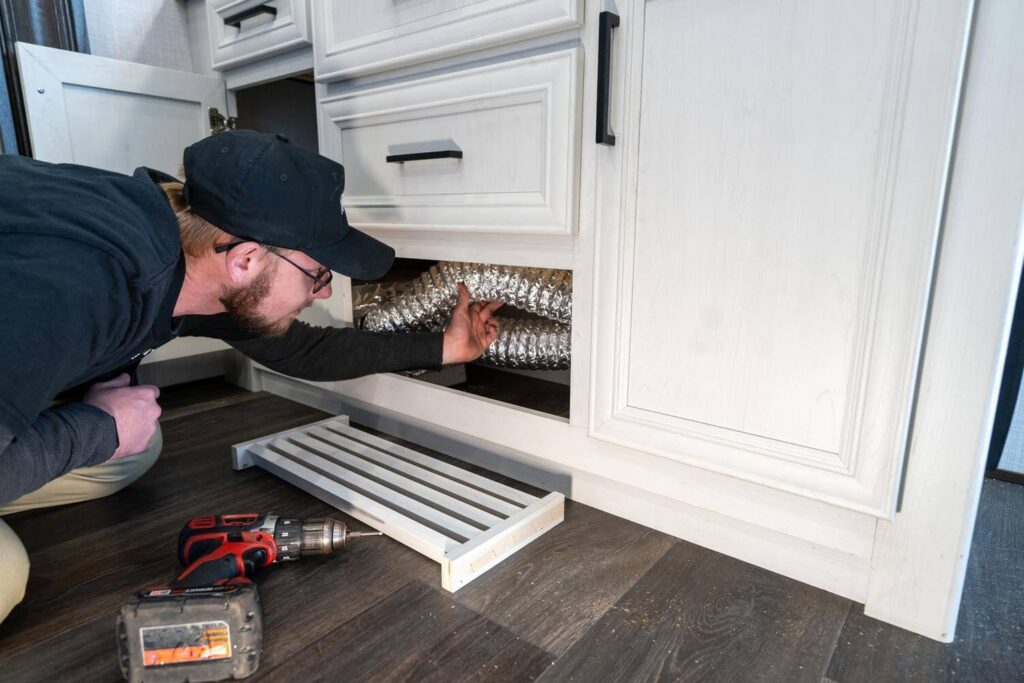
Most furnaces can be repaired, but age and wear eventually take their toll, and you may need to replace the entire unit. You may need to replace an RV furnace when:
- The heat exchanger is cracked
- The blower motor is burned out or consistently failing
- The circuit board is unreliable
- The furnace repeatedly fails to ignite, even after replacing the igniter
- Parts are discontinued or repeatedly breaking
Additionally, you may face multiple repairs that add up to the RV furnace replacement cost of a new unit. If your furnace is 10 to 15 years old, a full replacement often makes more sense than continuing to swap out worn components.
Choosing the Right Replacement Furnace for Your RV
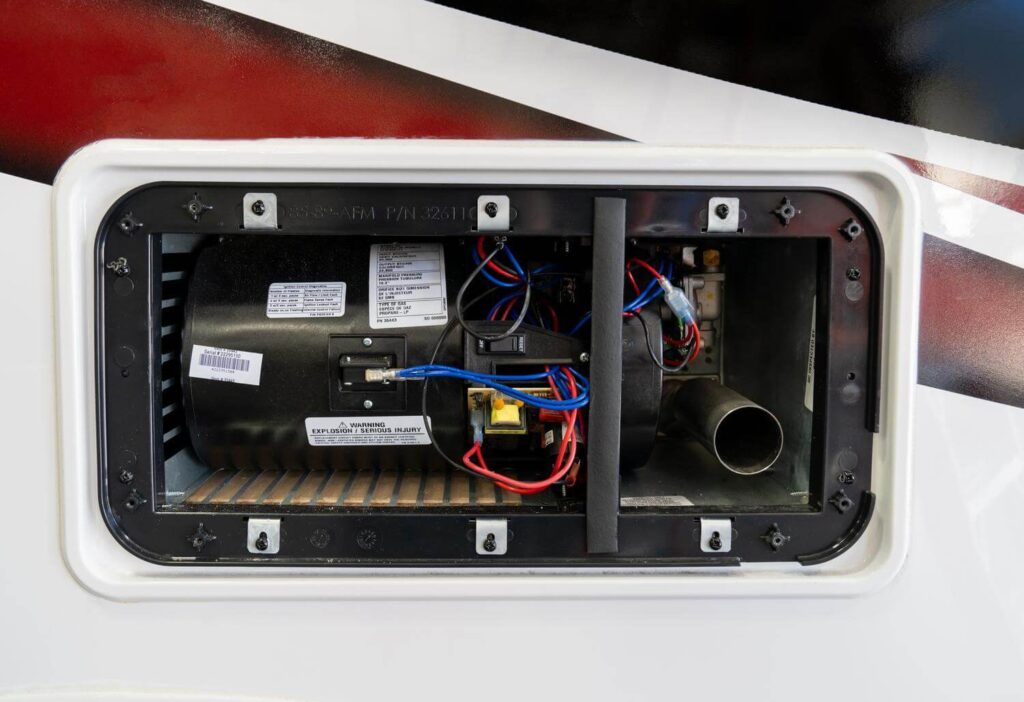
Shopping for a replacement RV furnace isn’t something most RVers do often, so it helps to know the key specs:
1. BTU Output. Match or slightly increase your furnace’s BTU rating to maintain proper heating. Common sizes range from 20,000 to 40,000 BTUs.
2. Physical Dimensions. Measure carefully. RV furnaces fit into framed compartments, and even small size differences matter.
3. Ducted vs Non-Ducted. Ducted furnaces connect to interior ductwork and heat multiple zones. Non-ducted furnaces push air directly into the living space. Keep your existing setup unless you plan major modifications.
4. Electrical Requirements. Your furnace needs to match your RV’s 12V system and control wiring. This becomes especially important when considering an upgraded thermostat.
5. Brand Compatibility. Stick with brands built for RV applications, with popular examples including Dometic, Suburban, and Fogatti. Going with a matching brand typically makes for an easier installation and simpler parts sourcing.
Recommended RV Furnace Replacement Options
Here are some common furnace replacement or upgrade options for most RVs:
Technician Tip: Because RV furnace compartments, ductwork, and wiring vary widely, always match model numbers or consult a technician before ordering a replacement.
Suburban
Images by Camping World
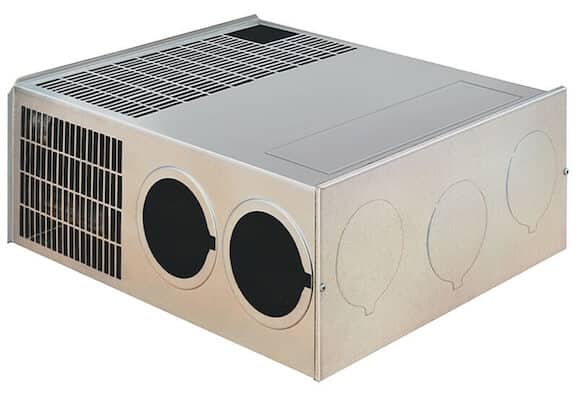
- SF Series
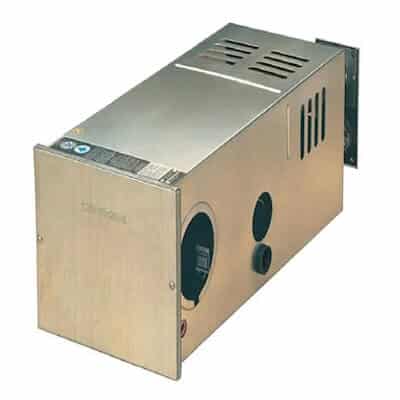
- NT Series
Both include Suburban heaters for ducted and non-ducted (i.e., direct discharge) systems.
Dometic/Atwood
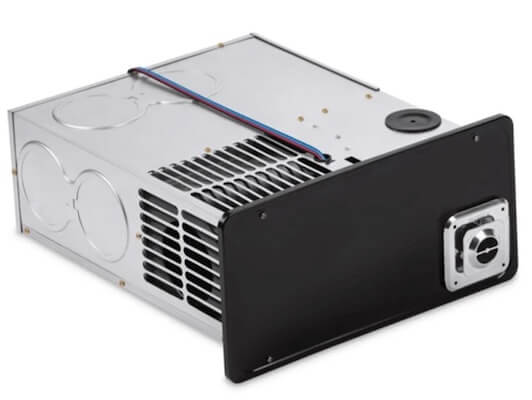
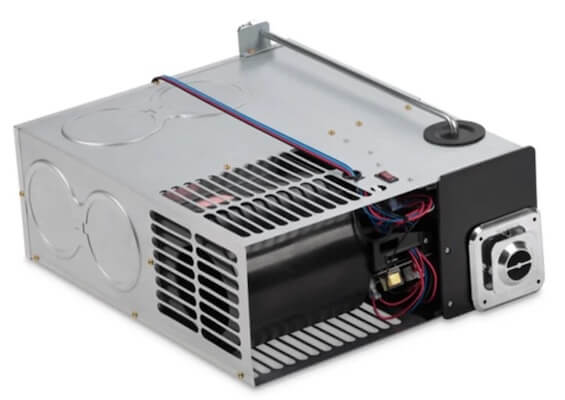
Images by Camping World
- DF Series (Small and Medium options)
You’ll find Dometic furnace options in doored and doorless designs compatible with different RV sidewall constructions.
Fogatti
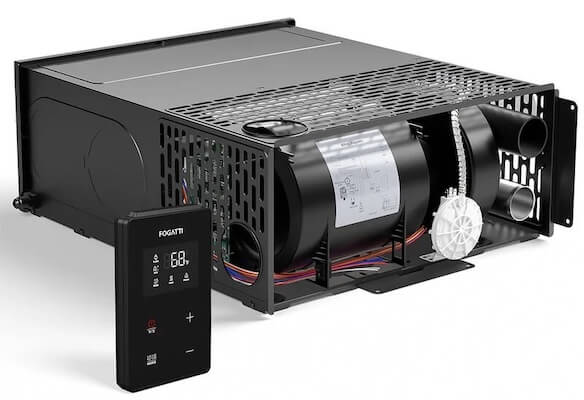
- InstaHeat Series
Fogatti RV furnaces are available in 25K, 30K, and 35K BTU rating options.
How Much Does It Cost to Replace an RV Furnace?
RV furnace replacement costs can range from under $1,000 to several thousand dollars. Replacement furnaces themselves generally range from $600 to nearly $2,000, depending on the brand and BTU rating.
Next, factor in labor costs. These always depend on the complexity of the replacement and the hourly labor rate at the location where you schedule service. Additional upgrades of the thermostat, ducting, or wiring will also increase the final RV furnace replacement price.
Common Furnace Component Replacements
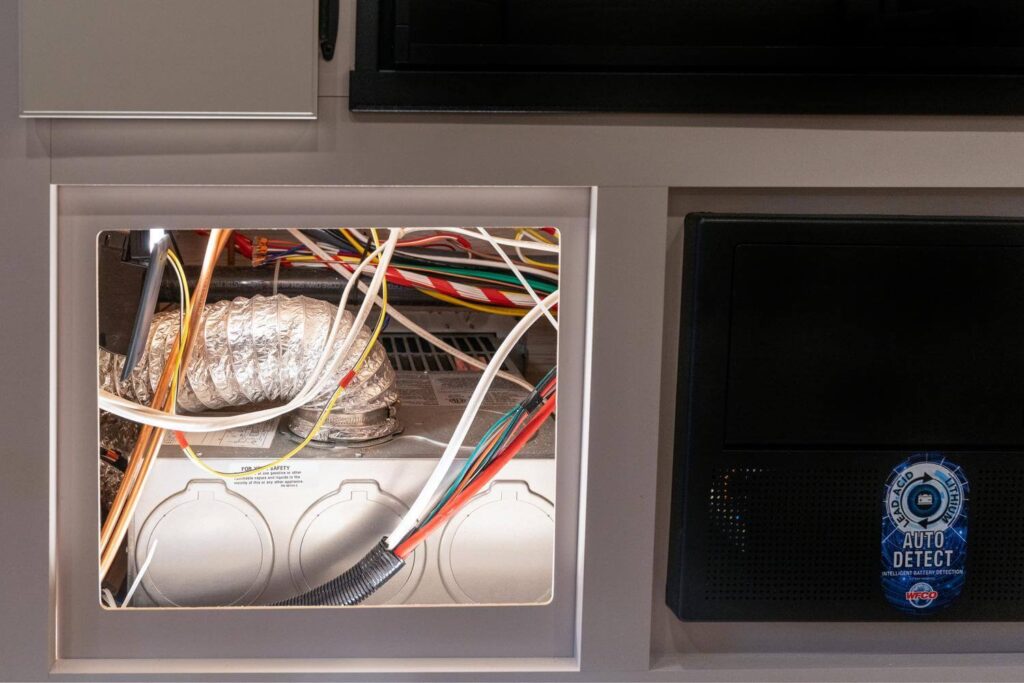
Some RVers start by replacing individual components before committing to a full furnace replacement. Identifying these components requires some at-home troubleshooting to determine why your RV furnace is not working.
However, here are some furnace replacement parts to consider for your RV, based on common heater symptoms you may experience:
- Issues starting up or repeated clicking may require an RV furnace igniter replacement.
- You may need an RV furnace blower motor replacement if the fan is noisy, not turning at all, or if you want to upgrade for performance reasons.
- A bad sail switch prevents furnace ignition because the control board thinks the blower isn’t moving enough air, thus requiring an RV furnace sail switch replacement.
- Furnaces behaving unpredictably may require a total RV furnace board replacement.
- RV heaters that don’t reach your desired temperature or that don’t turn off when that temperature is reached may need a thermostat replacement.
- A loss of expected airflow throughout your camper may require an RV furnace duct replacement or repair.
Other components that may require repair or replacement include the fan itself, any air filters that become dirty or clogged, thermocouples that regulate safe operation, and more.
Should You Replace an RV Furnace With a Diesel Heater?
Some DIYers consider swapping a propane furnace for a diesel heater. While diesel heaters are efficient, this swap involves running a fuel line, cutting intake/exhaust ports, and rewiring controls. For most RVs, the cleaner, safer route is sticking to a purpose-built RV propane furnace replacement.
Why Furnace Replacement Is Best Left to a Certified RV Technician
Here’s the big takeaway: Replacing an RV furnace is not a DIY-friendly job.
Propane appliances must be installed and leak-tested by a trained and certified professional. Incorrect installation can lead to fire hazards, carbon monoxide exposure, or damage to your RV’s electrical system.
Even “simple” jobs, such as RV furnace igniter replacement, RV furnace blower motor replacement, or RV furnace circuit board replacement, involve gas lines, combustion chambers, or safety switches.
Your furnace is one of the most important safety appliances in your RV, and replacing it isn’t something to take lightly. Whether you’re comparing replacement RV furnace models, researching RV furnace replacement parts, or diagnosing why the blower won’t spin, the safest and most cost-effective approach is to involve a certified RV technician.
You’ll end up with a properly installed system, cleaner heat, lower risk, and a whole lot more comfort on chilly mornings.
Here are a few additional resources for troubleshooting, maintaining, or replacing RV parts and appliances:
- RV Heater Maintenance Tips
- RV Furnace Troubleshooting Guide
- Selecting a Replacement RV Awning
- Choosing an RV Screen Door Replacement
Do you need help finding a replacement RV furnace? Let us know how we can help in the comments below!