
This spring, if you haven’t locked down your summer campsites yet, you’re not out of luck, but you are behind. Booking last-minute camping reservations is an art, and RV owners have it tougher than most.
You can’t just claim any open site. You likely need hookups, or at least a site that fits your camper. Pull-throughs are disappearing quickly, and most of the full hookup loops were taken in January by someone who set a calendar reminder.
Most public camping reservation systems open booking windows six months in advance. When they do, it’s a scramble, as RVers fight for the most desirable spots within a few hours. Sometimes within minutes. If you weren’t logged in and ready at the exact hour on that exact date, your preferred sites are almost certainly taken.
Finding last-minute camping spots has only gotten more competitive as RV ownership has grown and public land and campgrounds haven’t kept pace. But there’s still hope! If you find yourself among us late bookers, here’s our expert advice on making last-minute camping reservations.
Key Takeaways
- Use the right tools and act fast. Services like Campnab, Schnerp, and Recreation.gov alerts notify you the moment a cancellation opens up — crucial when peak sites disappear within hours.
- Flexibility is your biggest asset. Mid-week travel, electric-only or dry sites, and back-in parking can dramatically expand your options when the best spots are already gone.
- The best spots aren’t always the obvious ones. Army Corps of Engineers campgrounds, lesser-known state parks, and private land platforms like Hipcamp consistently offer better availability — often at lower cost and with fewer crowds.
How Can You Find Last Minute Camping?
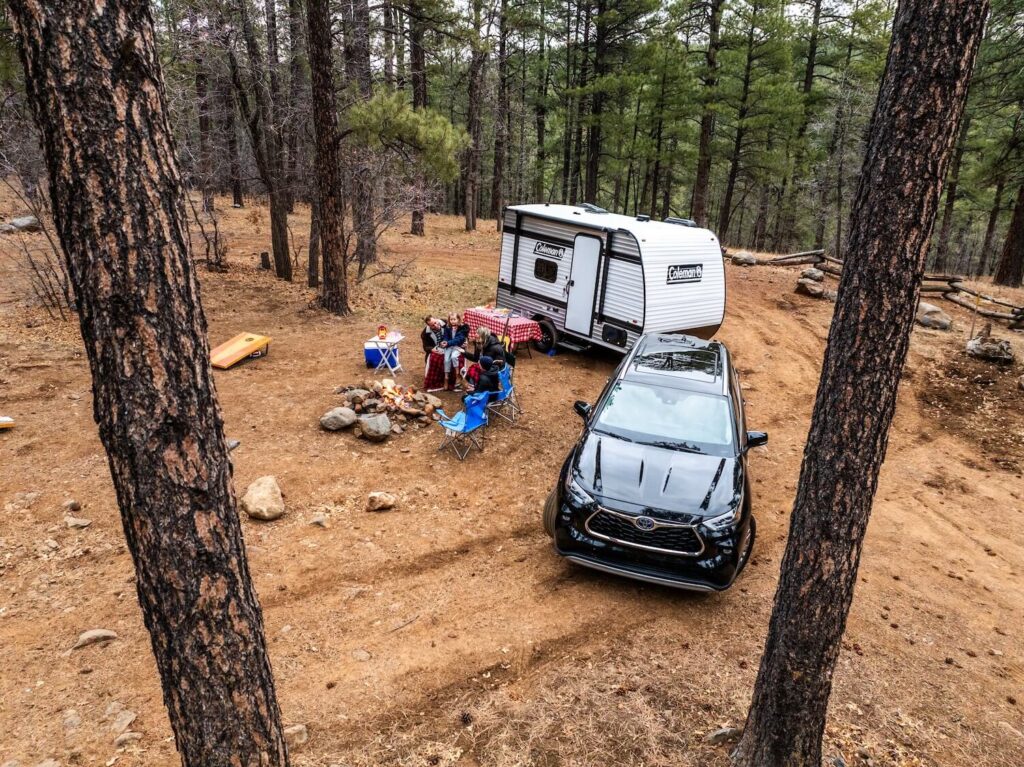
This isn’t a new problem, and there are a host of tools that give RVers and campers every possible advantage when finding a campsite during peak season.
Setting up Recreation.gov email alerts is your starting point for any federal campground—national parks, national forests, Army Corps sites, and BLM campgrounds.
Create a free account, navigate to the campground you want, and set up a notification for your dates. When a cancellation opens a matching site, you’ll get an email. Cancellations happen constantly. People’s plans change, life intervenes, and cancellation activity picks up significantly in the two to three weeks before a trip date.
For faster results, tools like Campnab and Schnerp take the alert concept further. These third-party services monitor Recreation.gov around the clock and text you the moment a site matching your criteria opens up. Critically for RVers, you can filter by hookup type, pull-through configuration, and minimum site length, so you’re not chasing sites your rig can’t fit into. Both charge a modest fee. But for a peak summer weekend at a campground you actually want, it’s worth it.
The Dyrt is great for helping you find campgrounds you may not have considered. Their filters apply to RV-specific details such as hookups, dump stations, max RV length, and pull-through availability. The user-submitted photos and reviews give you a realistic ground-level view of a site before you commit, which matters when you’re bringing a large rig somewhere new.
Hipcamp has become one of the better resources for last-minute camping reservations because it focuses on private land—farms, ranches, rural properties—whose owners have opened their land for camping. Many listings have water and electric hookups, and availability is typically far better than public campgrounds during peak season because private hosts aren’t locked into the same rigid reservation systems.
RV Life Trip Wizard integrates campground availability with route planning. If you’re open about your destination and want to find what’s available along a corridor rather than at a fixed point, these tools are worth a look.
Finally, don’t overlook Facebook RV groups for your target region or state. Members post cancellations regularly, sometimes trying to transfer a reservation, sometimes just flagging that a site has opened up.
Get Flexible in the Right Places
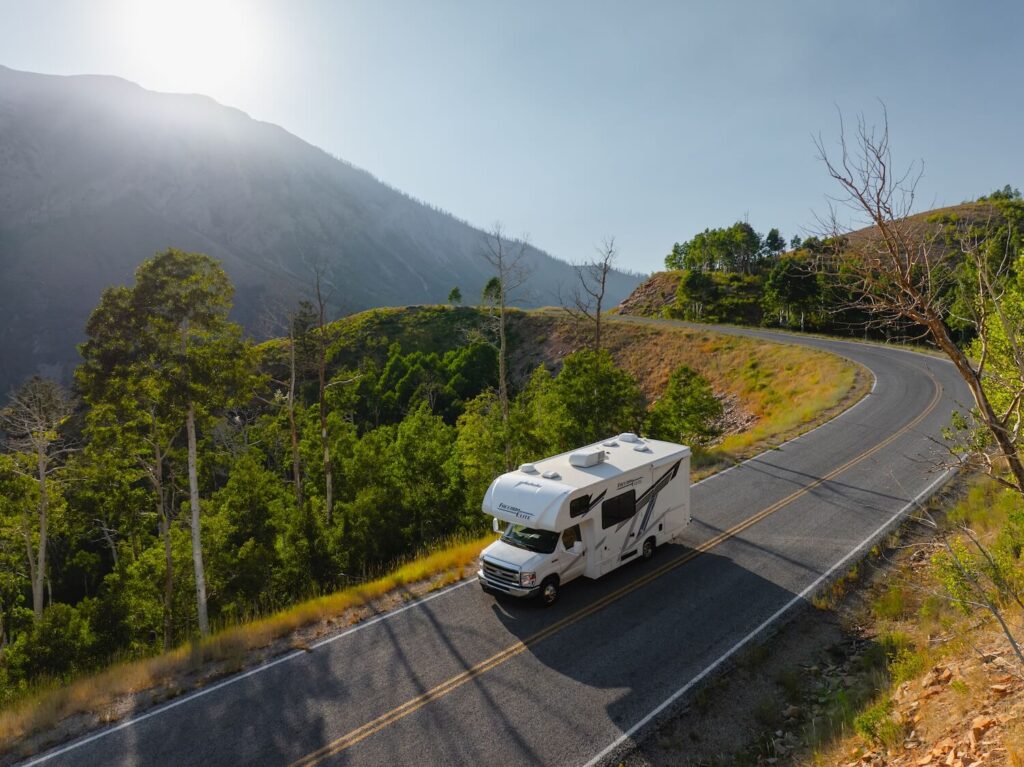
The RVers who consistently land last-minute camping sites have almost always loosened their requirements in some way. The more rigid your criteria, the harder your search will be. Here’s where flexibility pays off most:
Dates
Friday and Saturday nights at desirable campgrounds are the hardest to grab on short notice. Arriving Sunday and leaving Thursday, or building a mid-week trip around a day off, opens up a different tier of availability. If you can shift even one night of your trip off the weekend, your options improve significantly.
Hookups
Full hookups go first, always. If your rig has enough holding tank capacity (based on your stay length and usage) and a generator or upgraded solar package, then an electric-only site—or even a dry site for a few nights—may be workable. Many experienced RVers prefer dry camping anyway once they’re set up for it. Dropping the full hookup requirement can unlock more campgrounds.
Site Configuration
Pull-throughs book faster than back-ins at every campground. The difference in availability between the two, on the same weekend at the same campground, can be significant. If you’ve been avoiding back-ins, this is the season to get comfortable with them. The sites are there, you just have to be willing!
Read our tips for backing up a camper.
Location Radius
If your target campground is full, search 20, 30, or even 50 miles out. You’ll often find solid availability at a campground that still puts you within day-trip range of where you actually want to be. This approach tends to surface quieter, less crowded places too, which isn’t the worst outcome.
Look for Last Minute Camping Spots Where Others Aren’t
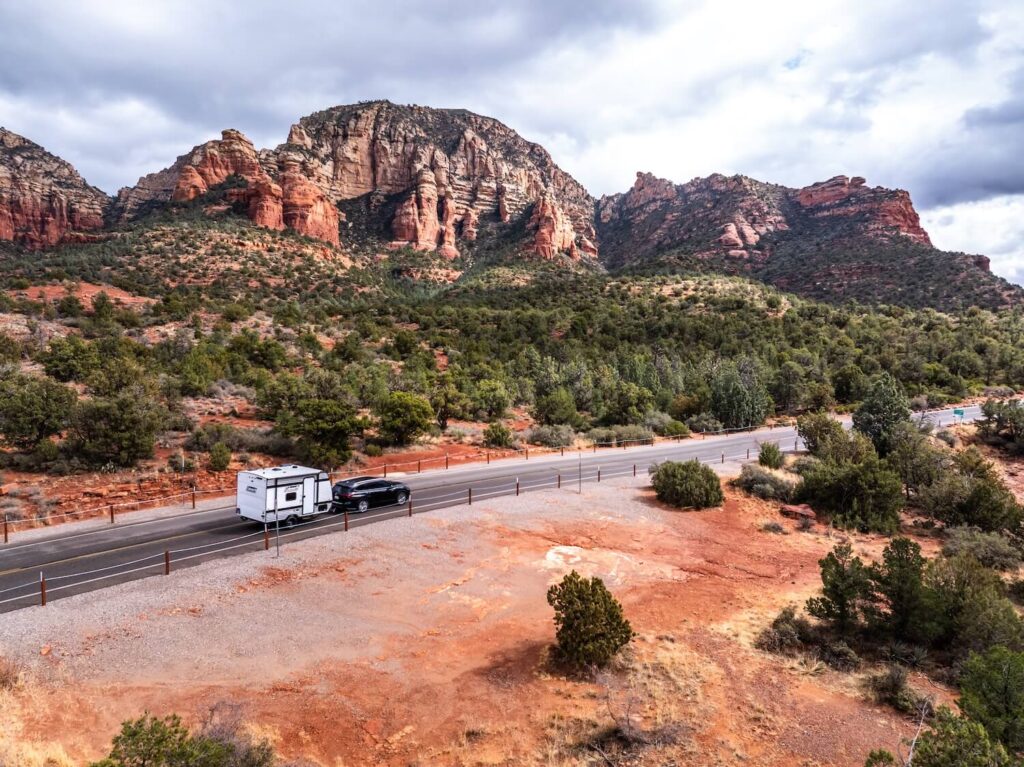
Some of the most consistently available, genuinely good RV camping in the country doesn’t show up on the first page of search results. But these last-minute camping options are worth knowing:
Army Corps of Engineers campgrounds are the most underrated resource in American RV camping, in my humble opinion. The Corps operates over 400 lakes and reservoirs across 43 states. Many of their campgrounds offer full RV hookups at lower nightly rates than national or state parks. They’re well-maintained, typically right on the water, less crowded than the marquee destinations, and bookable through Recreation.gov. If you haven’t explored Corps campgrounds in your region, start there.
Reservoir and regional lake campgrounds operated by local water authorities follow a similar pattern—good facilities, less name recognition, better availability. A search for your state name plus “reservoir RV camping” will surface options that don’t appear on the major apps.
Lesser-known state parks. Everyone rushes to book the flagship parks with the famous views. But the parks 30 miles away are frequently just as good and have sites available well into summer. When your first choice is full, open the state park system map for your state and check what else is within range.
BLM and National Forest dispersed camping is free, requires no reservation, and opens up an enormous amount of public land—particularly across the West. It requires a self-sufficient rig since there are no hookups or dump stations on site, but for RVers set up for dry camping, it’s hard to beat on both experience and cost.
Before heading out, download the Motor Vehicle Use Map for your target National Forest, which shows which roads are open to motorized vehicles and the size restrictions. Call the ranger district directly to confirm current road conditions—a five-minute call can save you from getting a 38-foot rig stuck on a road rated for passenger vehicles. Apps like Freecampsites.net and iOverlander list GPS coordinates for spots others have used, with notes on road quality and rig size. These options are great for more private camping.
Private RV parks—KOA, Jellystone, Sun Outdoors, and similar chains—have broader availability than public campgrounds and consistent amenities: reliable hookups, dump stations, Wi-Fi, laundry facilities, etc. They’re not wilderness, but they’re dependable, and their reservation systems are straightforward. When public options are locked up, these are a legitimate fallback.
Good Sam Overnight Stays is worth knowing if you’re already a Good Sam Elite member — exclusive overnight stops at unique host locations across the country, with far better availability than any public campground. If you’re not already a member, it’s one more reason to look at what a Good Sam Elite membership covers. Similarly, Boondockers Welcome lets members host other RVers in their driveways—useful when you’re in transit or when campgrounds in an area are completely full.
A Few RV-Specific Things Worth Remembering
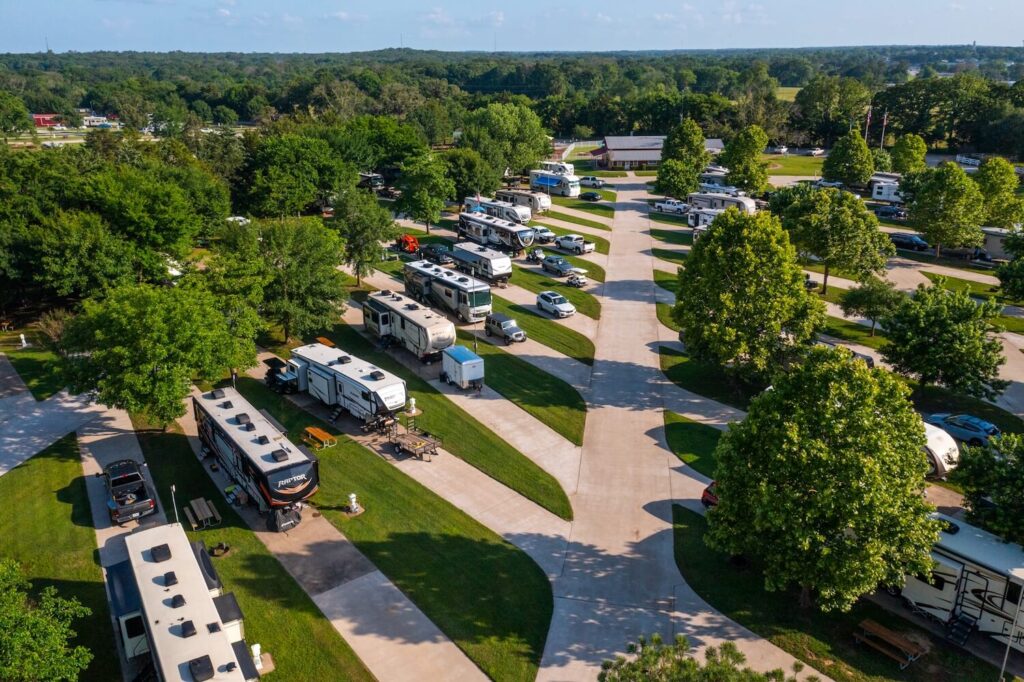
Know your specs before searching. This includes, but isn’t limited to, RV length (including tow vehicle if applicable), total exterior height, slide-out clearances, hookup requirements, and loaded weight. Campground listings vary in how they report maximum RV lengths, and some don’t account for tow vehicles at all. When in doubt, call the campground directly before you book. A five-minute conversation can save you from driving hours to a site your rig can’t physically fit.
Check for cancellations first thing in the morning. A lot of them process overnight, and the 7–9 AM window is consistently the most active for new openings on Recreation.gov. If you’re targeting walk-up sites at a first-come, first-served campground, arrive Thursday evening for a weekend trip—you’ll beat the Friday rush and have a real shot at a site.
Call the ranger station or camp host ahead of time when researching walk-up options. They know their occupancy patterns better than any app, and they will tell you honestly whether the trip is worth it.
The sites are out there. The RVers who find them aren’t getting lucky—they’re using better tools, staying flexible, and looking in places most people scroll past. Start now, while there’s still summer left to book.
Enjoy these additional resources to find campsites and make the most of your RV adventures:
- What Is Moochdocking?
- The Best RV Road Trips in the West
- How To Keep RV Cool in Summer
- RV Boondocking for Beginners
- Nicest RV Parks in the US
- Guide to Infield Camping NASCAR
Do you have any tips for booking last-minute camping reservations? Let us know in the comments below!


